
Reviewed · FOOD & DRINK
Zulu Cultural Experience: Zulu Village + Tribal Markets + Traditional Zulu Food
The most striking part of this Durban day is its three-part view of Zulu culture: museum objects, daily village life, and the working markets of Warwick. You move from a dancing museum curator and indigenous crafts to Isithumba, where a local resident explains how people live, then finish at Muthi Bridge, known here as Sangoma Central.
I like the small maximum of six, which gives you room to ask questions. I also like the lunch setting: one review describes eating at the village supervisor’s house while he answered questions about life in the village. The main consideration is time. The day lasts about eight hours, but the listed visits total roughly five hours, so expect a substantial amount of travel between stops.
Key points to know before booking
- Phansi Museum begins the day with indigenous art, crafts, a dancing curator, and Pan African food.
- Isithumba offers a guided walk through a living Zulu village rather than a staged performance alone.
- A local resident leads the village visit, with a possible meeting with the chief or spiritual healer.
- Lunch takes place in a village setting, with one account describing a meal at the supervisor’s house.
- Warwick Markets show a working side of indigenous culture, including elder craft makers and Muthi Bridge.
- The small group is limited to six people, and pickup is offered.
Three Durban settings in one well-packed day
This is not a single-site cultural show. It is built around contrast. At Phansi Museum, you begin with objects and stories. At Isithumba, you walk through a community and hear how village life works. At Warwick Markets, you see traditional practices in a busy urban setting.
That sequence is useful because it keeps you from treating Zulu culture as something frozen in the past. The first stop gives you visual context. The second puts that context into daily life. The third shows how indigenous customs continue in modern Durban.
The price is $168 per person, which puts this well above a simple city transfer or short museum visit. I think the value depends on what you want from a day out. If you want several unrelated Durban attractions checked off quickly, this may feel expensive. If you want a small-group day with local interpretation, food, village access, and three very different settings, the price is easier to justify.
The tour begins at 8:00 am and runs for about eight hours. Pickup is offered, and you receive a mobile ticket. Since the three scheduled visits account for about five hours, the remaining time likely allows for driving, meals, and transitions. You should treat this as a full-day commitment rather than a quick cultural add-on.
More Food Tours in Durban:
- Cape Town: Full-Day Winelands Tour with Wine Tastings & Food
★ 4.9 · 1,288 reviews - Hartbeespoort: 2-Hour Dam Cruise with South African Food
★ 4.4 · 621 reviews - The Cape Town Essentials Food Tour
★ 5.0 · 385 reviews
Phansi Museum: start with objects and movement
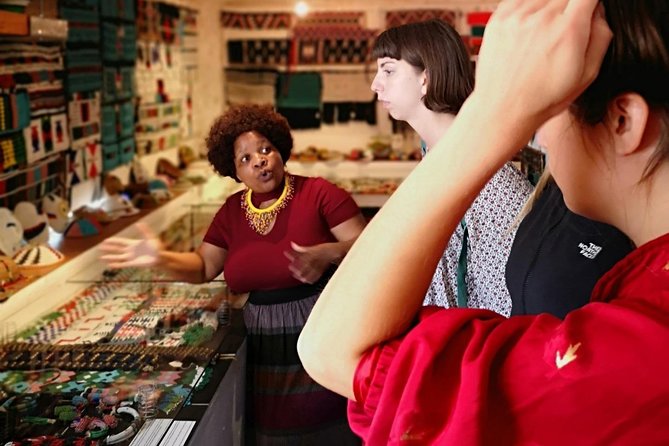
The first stop lasts about an hour and a half, with admission included. The museum holds a large collection of indigenous art and crafts, giving you a useful introduction before you head into the village.
The detail that gives this visit character is the dancing curator. This is not described as a quiet, label-reading museum tour. You can expect the collection to be introduced through movement and personality, which may make the objects easier to remember than a standard display of artifacts.
The museum matters because it gives you a base for the rest of the day. When you later see traditional goods at Warwick Markets, you have already encountered examples of the art and craft traditions behind them. I like that the tour does not rush straight to a village without first giving you something to look at and discuss.
Food is part of this opening stop too. The plan includes a sample of Pan African Cuisine. The information does not specify the exact dishes, so do not book this expecting a particular menu. Instead, think of it as an early taste of the region’s food traditions before the village meal later in the day.
You should allow yourself to be open to a presentation that is lively rather than formal. The dancing curator may appeal to you if you enjoy personality-led tours. If you prefer a silent museum visit with long stretches for independent viewing, this first stop may feel more directed.
Isithumba: a village walk with local context
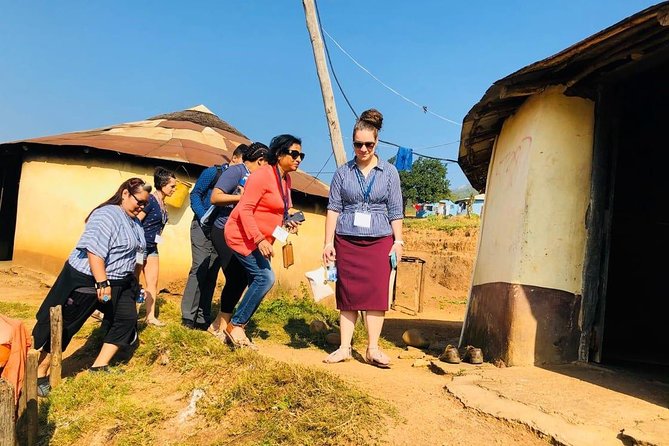
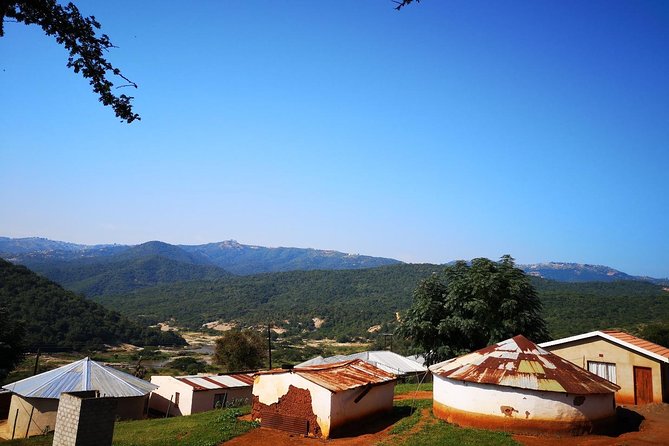
The journey then continues to Isithumba, described as a living Zulu cultural village. The visit lasts about two hours and includes admission.
The key point is the walking format. A local resident takes you through the village and explains what it is like to live there. That approach gives the stop practical value. You are not simply watching a performance or looking at reconstructed buildings. You are hearing about a way of life from someone connected to the place.
One account describes the guide explaining village life and then taking the group to lunch at the village supervisor’s house. The supervisor answered questions during the meal. That is the sort of exchange that can turn a sightseeing stop into a real conversation, especially if you arrive with thoughtful questions rather than expecting a scripted show.
You might have the chance to meet the village chief or a local spiritual healer. The wording makes clear that these meetings are not guaranteed. Treat them as a possible extra, not as the main reason to book. The village walk and local explanation are the reliable core of this stop.
This is also where cultural respect matters most. You are entering a real community, so listen closely to your guide and follow any local instructions about photographs, homes, ceremonies, or personal questions. The supplied details do not set out specific photography rules, so ask before taking pictures rather than assuming.
The two-hour visit should feel substantial, but it is not a full overnight village stay or an extended homestead program. You will get an introduction to local life, time to walk, and possibly a meal and conversation. If you want a short, guided encounter that fits into a larger Durban day, that balance works well. If you want long, unhurried time in the community, the schedule may feel limited.
Traditional food and the value of eating locally
Food helps connect the three stops. At the museum, you sample Pan African Cuisine. At Isithumba, the account provided describes lunch in the village supervisor’s house. These meals give you more than a break from the vehicle. They create a chance to talk, ask questions, and connect food with place.
The exact menu is not given, so I would not build your decision around a particular dish. The stronger reason to value the meal is the setting. Eating in a village home, if that arrangement applies on your departure, offers a more personal moment than stopping at an anonymous restaurant.
The title of the experience highlights traditional Zulu food, while the itinerary describes Pan African Cuisine at Phansi and lunch in the village. That suggests food is an important part of the day, but the precise format may vary. If you have allergies, dietary restrictions, or strong food preferences, raise them when booking or before departure. No special dietary arrangements are stated in the information provided.
The meal also takes time from the sightseeing schedule. That is a good thing if you want conversation and a slower pace. It is less appealing if you want to spend every minute taking photographs or moving between attractions.
A different side of Durban altogether:
- Durban: 30-Minute Harbor Boat Cruise
★ 4.7 · 665 reviews - Durban: 1-Hour Boat Cruise from Wilson’s Wharf
★ 4.7 · 496 reviews - Durban Point Waterfront: Luxury Canal Boat Cruise
★ 4.4 · 298 reviews - Durban: Pontoon Boat Harbor Cruise
★ 4.4 · 182 reviews
Warwick Markets and Muthi Bridge
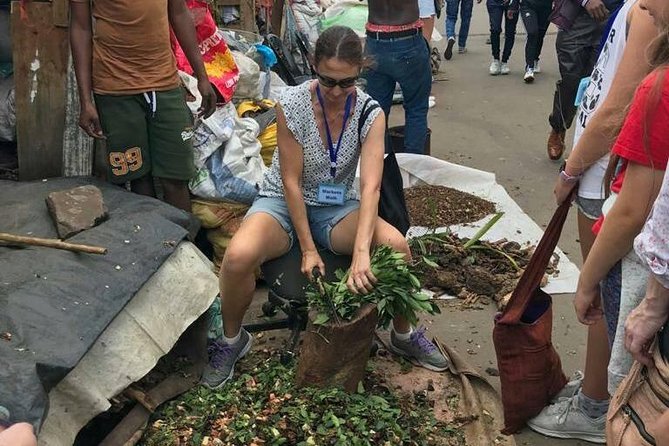
The final stop lasts about an hour and a half at the Markets of Warwick. This is described as the heart of indigenous culture in the city, and it gives the day a useful urban finish.
Here, you meet Lime and Imphepho Gogos, female elders who make goods in the market. Watching them work adds a human scale to the craft tradition introduced at Phansi Museum. Instead of seeing only finished objects behind glass, you see people producing and explaining goods in a working market setting.
The market stop may feel less polished than a museum or organized village visit. That is part of its value, but it also means you should expect a more intense setting. The description calls the quarter curious and points to a culture shock at Muthi Bridge. You are being taken somewhere that may challenge your expectations, not to a neat cultural display designed only for comfort.
Muthi Bridge is presented as a place connected with traditional medicine and spiritual practice, and the tour uses the name Sangoma Central. The supplied details do not explain exactly what you will see there, so keep your expectations flexible. The point is to encounter a place where indigenous culture is being practiced and adapted in a modern city.
This part of the tour is particularly useful for anyone who wants to understand where traditional practices fit into present-day Durban. It can also be the most confronting stop. Follow your guide’s lead, remain respectful, and avoid treating spiritual goods or personal practices as curiosities for a quick photograph.
I like the way the market brings the day back to everyday life. You begin with collected objects, move to a rural community, and end with culture being made, sold, and practiced in the city.
Why the group size matters
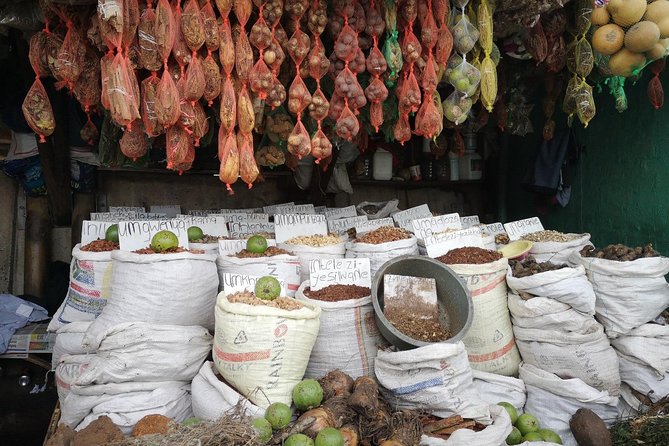
The maximum group size is six. That is one of the strongest practical features of this experience.
A small group makes a difference at the village because you can hear the local resident without a crowd forming around the conversation. It also gives you a better chance to ask the village supervisor questions during lunch, if that meal arrangement is part of your departure.
At the museum and market, six people are easier to keep together than a large coach group. You can also expect the pace to feel more personal. The tradeoff is that a small-group tour can feel more dependent on the guide and the mix of people in your group. If everyone is curious and polite, the format should work very well. If you prefer to wander alone, a guided group of any size may feel restrictive.
No guide names are provided, so you should not book this expecting a particular named host. The roles are clear, though: a dancing curator at Phansi Museum, a local resident at Isithumba, and local elders at Warwick Markets.
Who will get the most from this experience
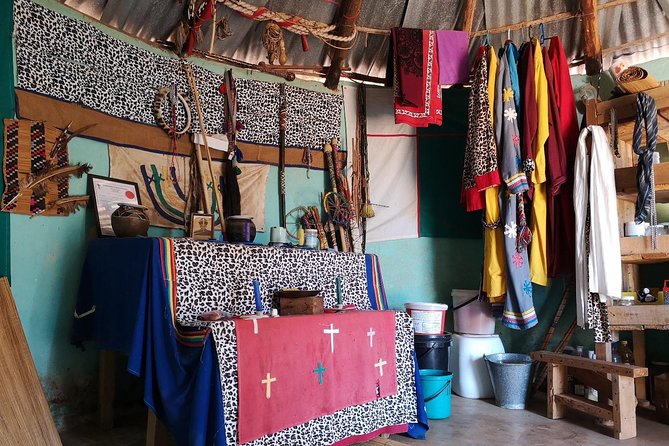
I would choose this day if you want cultural explanation rather than a simple list of Durban sights. It suits you especially well if you are interested in:
- Indigenous art and craft
- Food as part of cultural exchange
- Rural and urban contrasts
- Small-group guiding
- Conversations with local people
- Traditional spiritual and medicinal practices
It also works for a first visit to Durban when you want a broad introduction in one day. The schedule covers several settings without requiring you to arrange separate transport or research each place yourself.
Families and most people who can take part in a standard tour should be able to participate, since the information says most people can join. Still, the day includes a village walk and market visit, so you should be comfortable spending time on foot. No detailed accessibility information is provided, so ask the operator directly if you need specific support.
This is less suited to you if your ideal holiday day means beaches, scenic drives, or long periods of free time. It is also not the right choice if you want a purely historical lecture. The experience is social, practical, and connected to living communities.
Timing, pickup, and the $168 decision

An 8:00 am start gives the tour a full day to work through its three stops. Pickup is offered, which can make an early start easier, though the available details do not state the exact pickup area or whether every Durban address qualifies. Confirm that point when you book.
The mobile ticket keeps the booking simple. Confirmation is received at the time of booking, and the tour is generally available to most people who can participate in a normal day outing.
At $168, I would compare this with the cost of arranging separate transport, museum admission, a village visit, food, and a market introduction on your own. The small group and local access add value that a basic sightseeing bus may not provide. The price is harder to defend if you mainly want a museum visit or a short cultural performance.
The day is usually booked about 41 days ahead. That suggests you should not leave it until the last moment if your Durban dates are fixed, especially with only six places available. Free cancellation is allowed up to 24 hours before the start time for a full refund. Changes or cancellations inside that window are not accepted for a refund, and poor weather may lead to a different date or a full refund.
The final call: book it for context, not speed
I would book this tour if I wanted one carefully shaped day that connects museum pieces, village life, local food, market craft, and spiritual practice. The strongest features are the small group, the local resident at Isithumba, and the chance to eat and talk in a village setting.
I would hesitate if I wanted a predictable, polished attraction with a fixed performance and a precise menu. The possible meeting with the chief or spiritual healer is not guaranteed, and the market visit may feel confronting. Still, those uncertainties are part of what makes the day feel connected to real places rather than a simple stage show.
For a first cultural introduction to Durban, the $168 price can be fair, especially if pickup and the included admissions save you separate planning. Book it when you want to ask questions, listen carefully, and see how Zulu culture appears in a museum, a village, and a city market.
FAQ
Where does the experience take place?
The tour takes place in Durban, South Africa. Stops include Phansi Museum, Isithumba, and the Markets of Warwick.
What time does the tour start?
The stated start time is 8:00 am.
How long does the tour last?
The experience lasts approximately eight hours.
How much does the tour cost?
The listed price is $168 per person.
Is pickup offered?
Yes, pickup is offered. The specific pickup area is not provided, so confirm the details when booking.
How large is the group?
The activity has a maximum of six participants.
What happens at Phansi Museum?
You see indigenous art and crafts, meet the dancing curator, and sample Pan African Cuisine. Admission is included, and the visit lasts about one hour and 30 minutes.
What happens at Isithumba?
A local resident leads a walking visit through the living Zulu cultural village and explains village life. The visit lasts about two hours. You might also meet the village chief or a local spiritual healer.
Is food included?
The experience includes a sample of Pan African Cuisine at Phansi Museum. The provided details also describe lunch at the village supervisor’s house, but no exact menu is specified.
Can I cancel for a full refund?
Yes. You can cancel at least 24 hours before the local start time for a full refund. Cancellations or changes made less than 24 hours before the start are not refunded. If poor weather cancels the activity, you can be offered another date or a full refund.
Just listed around Durban
- Durban Shore Excursion: Valley of 1000 Hills and PheZulu Tour★ 5.0 · 5 reviews
- From Durban: Wildlife Lovers Big 5 Safari at 2 Game Reserves★ 5.0 · 5 reviews
- Sani Pass and Lesotho Full Day 4 x 4 Tour From Durban★ 4.5 · 5 reviews
- Full Day Isimangaliso Wetlands Park -Croc & Hippo &Game Fr Durban★ 4.5 · 6 reviews
- Sani Pass 4 x 4 Tour and Lesotho Full Day Tour From Durban★ 5.0 · 6 reviews
- Hluhluwe Safari & Emdoneni Wild Cat Project Day Tour from Durban★ 5.0 · 6 reviews
- Drakensberg Kamberg Cave Art & Mandela Capture Site Day Tour★ 4.1 · 6 reviews
- Tala Game reserve. Natal Lion Park and Valley of 1000 hills★ 5.0 · 6 reviews
Food & Drink, compared.
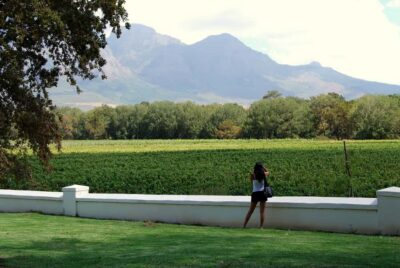
Full-Day Winelands Tour with Wine Tastings & Food
Read our review →

Stellenbosch & Franschhoek 20 Wine Tasting + Lunch Shared Tour
Read our review →
Browse the lists this tour appears in