Reviewed · CAPE TOWN TOURS
South African Cultural Biltong-Making Experience in Cape Town
South African biltong is more than dried meat. At this small Cape Town workshop, Greg and Lindi show you how to make it, then connect the snack to Khoisan food traditions, the Great Trek, Afrikaans culture, and their own English-Afrikaans marriage. The setting is their cosy voorkamer, or front lounge, rather than a formal cooking school.
I like the hands-on preparation, since you learn the whole process from choosing and cutting meat to seasoning, curing, and storage. I also like the personal touches: Boeremusiek, Afrikaans songs, strong coffee in a tin mug, homemade Karringmelkbeskuit, and stories that turn a simple snack into a useful lesson in South African life.
The main consideration is the size and style of the activity. It lasts about 90 minutes and takes place in a private home, with a maximum of six people, so it suits curious visitors who enjoy conversation more than a fast, polished production. If you want a full meal or a broad Cape Town sightseeing tour, this is not it.
Key points to know before you book
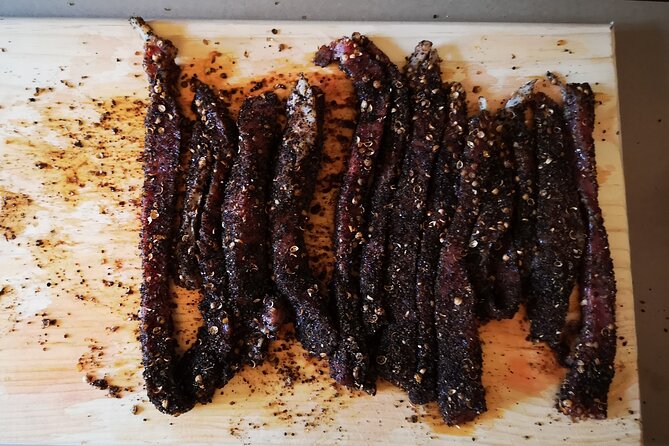
- Make your own biltong sticks: Learn how to select, cut, marinate, season, cure, and store the South African specialty.
- Meet Greg and Lindi: Their English and Afrikaans backgrounds provide the thread for the cultural discussion.
- Taste more than meat: You receive biltong samples and can try a vegan alternative that is designed to mimic the snack.
- Enjoy a home-based setting: The workshop takes place in a cosy voorkamer at 165 High Level Road in Sea Point.
- Take part in local culture: Expect Afrikaans sayings, Boeremusiek, folk songs, moerkoffie, and homemade Karringmelkbeskuit.
- Small-group value: The maximum group size is six, which allows room for questions and personal instruction.
Why biltong makes a good Cape Town cultural lesson
You can buy biltong all over South Africa, but buying a packet tells you very little about how it became part of daily life. This workshop gives you the missing context. You learn that biltong is a dried meat snack made from beef, game meat, or ostrich, with a spice blend that separates it from American jerky.
The difference matters. Jerky is often smoked or dried into a thinner, tougher strip, while biltong has its own seasoning and curing traditions. Here, you are shown how the ingredients and method work together, rather than simply being handed a tasting plate.
The workshop also connects biltong to Khoisan hunter-gatherers, who are described as the original makers of dried meat. The pioneers of the Great Trek later added their own spice traditions. That gives you a compact way to see how food can carry several parts of South African history at once.
I like this approach because the food remains at the center. You are not sitting through a long lecture before doing anything. The cultural material grows naturally from the snack in front of you.
A few more Cape Town days worth comparing
- Wine Tour: Paarl, Franschhoek & Stellenbosch incl 3 wineries
★ 5.0 · 3,940 reviews - Cape Town: Hop-On Hop-Off Bus Tour with Optional Cruise
★ 4.8 · 3,929 reviews - Cape Town: Cape of Good Hope & Penguins Day Tour with Pickup
★ 4.7 · 3,362 reviews
Inside the Sea Point voorkamer
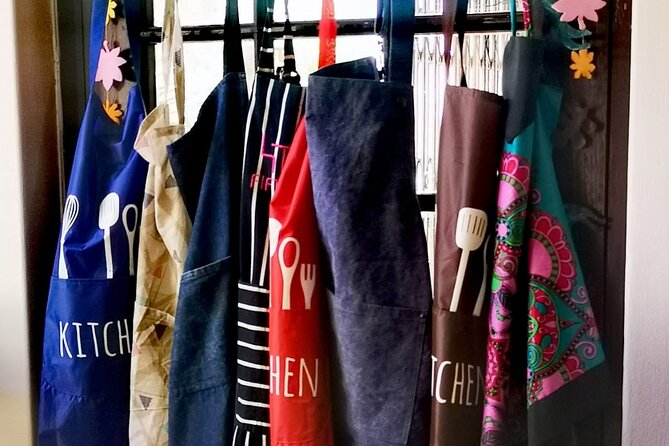
The meeting point is 165 High Level Road in Sea Point, Cape Town. The activity starts and ends there, so you do not need to plan a separate drop-off point or wonder where the demonstration finishes.
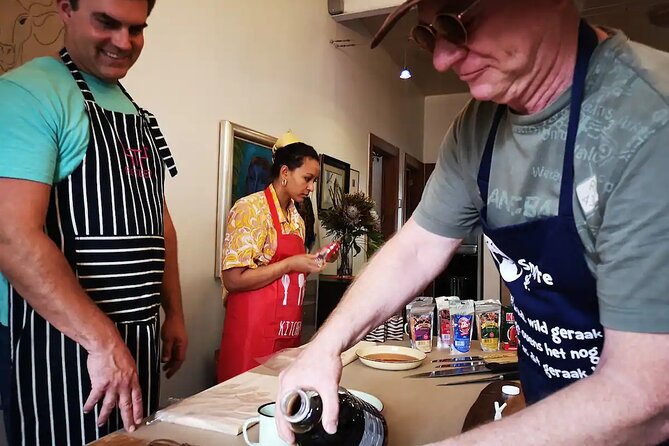
The setting is a home lounge, known in Afrikaans as a voorkamer. That choice shapes the whole experience. You are likely to get a more personal exchange than you would in a large commercial kitchen, and the small maximum of six people gives Greg and Lindi space to answer questions.
That intimacy is also the main style consideration. A home setting means this is a hosted cultural session, not a restaurant meal or a professional cooking class with rows of workstations. If you enjoy meeting people and hearing family stories, the relaxed room is a strength. If you prefer a highly structured class, it may feel informal.
The location is near public transportation, which helps if you are staying in or around Cape Town and do not have a car. The listing provides a mobile ticket, so you can keep the booking on your phone.
The biltong lesson, from meat to storage
The practical part begins with the basics of selecting the meat. The demonstration covers beef, game meat, and ostrich, giving you a sense of the range of ingredients used for biltong. You are not limited to hearing about the finished product. You learn how the choice of meat affects the result.
Next comes cutting. The hosts show you how to prepare the meat for biltong sticks, then guide you through marinating and seasoning. The spices are central to the South African character of the snack, so this is the point where biltong begins to separate itself from generic dried meat.
You also learn about curing and storage. That part is useful for anyone who wants to continue making biltong at home after returning from Cape Town. The experience does not simply focus on the fun of mixing ingredients. It explains the steps needed to preserve and keep the finished snack.
You get the chance to prepare biltong sticks yourself. That practical task is important because it turns an unfamiliar food into something you can understand by touch, smell, and taste. The session is short, but it covers the full basic process in a way that should give you a workable starting point.
Tasting biltong and the vegan option
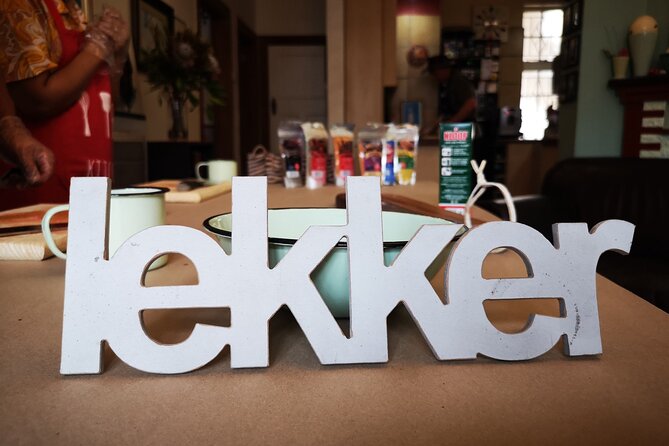
Tasting is built into the session. You receive samples of biltong sticks to eat during the experience or take home, and there is an opportunity to buy more.
The tasting helps you compare the idea of biltong with the finished product. You can pay attention to the seasoning, texture, and curing while the preparation steps are still fresh in your mind. The sample also gives you something practical to share later, rather than leaving with only a story about what you made.
The vegan version is a useful part of the workshop. The hosts present it as a surprisingly good alternative, so plant-based visitors are not treated as an afterthought. It also makes the experience more flexible for mixed groups, since you can learn about the biltong tradition without everyone needing to eat meat.
The supplied details do not specify every ingredient in the vegan option, so you should not assume it meets a particular dietary or allergy requirement beyond being described as vegan. If that matters to you, ask before booking.
A different side of Cape Town altogether:
- Zipline Cape Town – From Foot of Table Mountain Reserve
★ 5.0 · 3,179 reviews - Cape Town: Table Mountain Cable Car, Hop-On Hop-Off Bus Tour
★ 4.6 · 3,157 reviews - Cape Point and Boulder’s Penguins Full Day Tour
★ 5.0 · 3,118 reviews - From Cape Town: Cape Point & Boulders Beach Full-Day Tour
★ 4.8 · 3,032 reviews
Afrikaans culture with coffee, music, and sayings
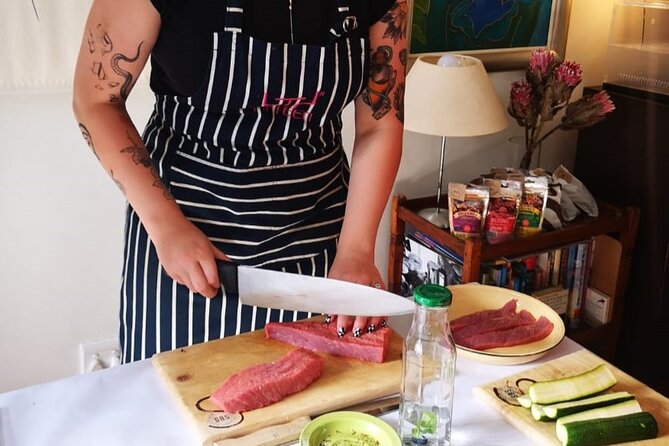
The cultural portion is lively rather than formal. Greg describes himself as an English Soutie, while Lindi is the Afrikaans Boeremeisie, or Boer girl, in their story. Their marriage becomes a simple way to explain how two distinct South African backgrounds meet in one household.
You learn about Afrikaans, described here as the only European language born in Africa. The session includes a few Afrikaans expressions and classic sayings, giving you small phrases you can carry into the rest of your trip.
The music helps set the tone. Boeremusiek, or Afrikaans folk music, plays during the activity, along with catchy Afrikaans songs. This is not presented as a concert. It is background and atmosphere, with the hosts using music to show the warmth and humor of their culture.
You also receive moerkoffie served in a tin mug. The name refers to strong coffee, and the simple presentation fits the home-based setting. Alongside it comes Soutie’s homemade Karringmelkbeskuit, a South African twice-baked buttermilk rusk.
These details are small, but they make the session more memorable than a standard demonstration. You are not only learning a recipe. You are learning how food, language, music, and hospitality fit together in an Afrikaans household.
The value of a 90-minute experience
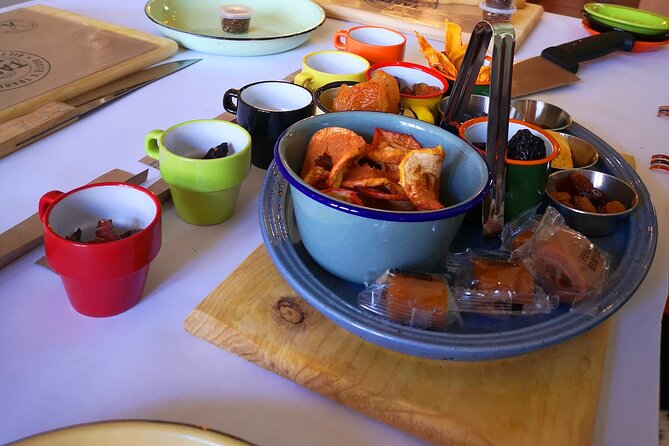
The activity lasts about one hour and 30 minutes. That makes it easy to fit into a Cape Town day without taking over your schedule.
At $37.58 per person, the price is reasonable if you value personal contact, tasting, and a practical lesson. You are paying for more than a sample of biltong. The session includes instruction, cultural context, coffee, a homemade snack, and biltong sticks to eat or take home.
Still, value depends on what you want. If your main goal is to buy biltong cheaply, a shop will cost less and take less time. This experience earns its price through the conversation and the chance to make the product yourself.
The maximum of six is another part of the value. A very small group gives you a better chance to take part in preparing the sticks and ask Greg or Lindi about ingredients, language, or South African customs. It also means the atmosphere may depend on the personalities in the room. This is a social, hosted activity, not a private lesson unless your booking happens to fill the group.
The experience is booked, on average, 25 days in advance. That suggests you should reserve it early if it is important to your Cape Town plans, especially because there are only six places available at a time.
What the strongest praise tells you
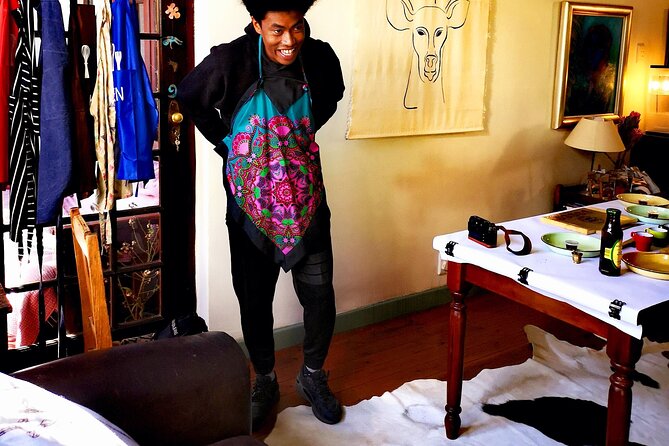
The most consistent strength is the friendly, personal setting. The hosts welcome you into their home, and that makes the workshop feel intimate rather than commercial. The tone is relaxed, with room for humor, stories, and active participation.
The second strong point is the blend of learning and tasting. You do not have to choose between a cultural talk and a food activity. The workshop joins them together, so the history of biltong leads directly to the smell and taste of the spices.
The experience also works well for people who already live in Cape Town. You do not need to be a first-time visitor to gain something from it. The session covers South African history, biltong, and Afrikaans culture in a way that can still add a new layer to a familiar city.
A particularly practical detail is the chance to buy additional biltong. The information does not promise that every type or spice will always be available, so treat this as an opportunity rather than the main reason to book. The important part is that you can leave with samples and continue enjoying the result.
Who will enjoy this most
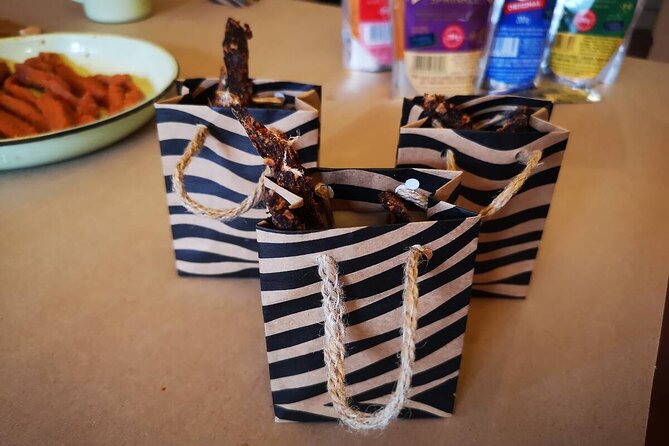
I would recommend this for food-focused visitors, couples, small groups of friends, and anyone who prefers local contact over a large sightseeing tour. It is also a good pick for people interested in language, family stories, and the ways different cultures meet in South Africa.
It suits curious eaters because you can taste meat varieties and a vegan alternative. It suits first-time biltong eaters because the hosts explain what makes the snack different from jerky. It suits returning visitors because the discussion reaches beyond the usual Cape Town sights.
Families may enjoy the hands-on nature, but the supplied information does not state a minimum age or specific child arrangements. Ask the provider if you are booking with children.
This is less suitable if you want a full cooking course, a substantial meal, or a tour that moves around Cape Town. You remain at the Sea Point meeting point for the whole 90-minute activity, so the appeal comes from the people, food, and stories rather than changing scenery.
Booking details that matter
Confirmation is provided when you book. The activity has a mobile ticket, and it begins and ends at 165 High Level Road, Sea Point, Cape Town, 8060.
Public transportation is nearby, which makes the meeting point fairly practical. You should allow enough time to reach the address, since the activity is home-based and the group is small.
Free cancellation is available up to 24 hours before the local start time for a full refund. Cancellations or changes made less than 24 hours before the start are not accepted for a refund. The activity also requires a minimum number of people, so if the provider cancels because that number is not reached, you are offered another date or experience, or a full refund.
Should you book the biltong workshop?
Book it if you want a compact, personal taste of South Africa that combines food with language, music, and family stories. The strongest reasons are the hands-on biltong preparation, Greg and Lindi’s warm English-Afrikaans perspective, the vegan alternative, and the chance to take samples home.
Skip it if your priority is a large menu, a formal culinary qualification, or a city tour with several stops. At $37.58, the value lies in the hosted cultural exchange and the small group, not in the amount of food.
For most food-curious visitors with 90 minutes to spare in Cape Town, this is an easy activity to fit into the itinerary. Book ahead if you want one of the six places, and arrive ready to listen, taste, and try a few Afrikaans expressions.
FAQ
Where does the biltong-making experience take place?
It takes place at 165 High Level Road, Sea Point, Cape Town, 8060, South Africa.
Where does the activity end?
The experience ends back at the meeting point on High Level Road.
How long does the workshop last?
It lasts approximately one hour and 30 minutes.
How much does the experience cost?
The listed price is $37.58 per person.
How many people can join?
The activity has a maximum of six travelers.
Who leads the experience?
The hosts are Greg and Lindi, known through the experience as Soutie and Boeremeisie, or Boerenooi.
What will I learn to do?
You will learn the basics of selecting meat, cutting it, marinating it, seasoning it, curing it, and storing biltong sticks.
Is there a vegan option?
Yes. A vegan alternative is offered as part of the experience.
Do I receive biltong to take home?
You receive a sample of biltong sticks to eat or take home. There is also an opportunity to buy more.
Can I cancel for a full refund?
Yes, if you cancel at least 24 hours before the experience start time. Cancellations made less than 24 hours before the start are not refunded.
Just listed around Cape Town
- Cape Town: Inspiring sustainable change through Street Art★ 4.9 · 5 reviews
- Cape Town Tandem Paragliding Square 1 Paragliding★ 5.0 · 5 reviews
- SandBoarding in Capetown + PhotoShoot★ 4.0 · 5 reviews
- Cape Town: Full-Day Private Peninsula Tour★ 3.6 · 5 reviews
- Private FULL DAY Tour: Cape of Good Hope & Boulders Beach★ 5.0 · 5 reviews
- Cape Town Full Day Family Fun With Kids Private Tour★ 4.0 · 5 reviews
- Private Tour to Aquila Game Reserve in Cape Town – see the Big5★ 5.0 · 5 reviews
- Peninsula Tour Cape Town★ 5.0 · 5 reviews
Cape Town Tours, compared.

Wine Tour: Paarl, Franschhoek & Stellenbosch incl 3 wineries
Read our review →
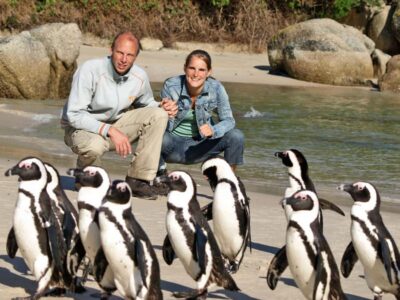
Cape of Good Hope & Penguins Day Tour with Pickup
Read our review →
Zipline Cape Town – From Foot of Table Mountain Reserve
Read our review →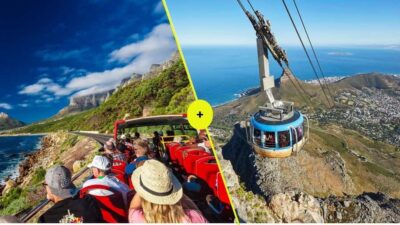
Table Mountain Cable Car, Hop-On Hop-Off Bus Tour
Read our review →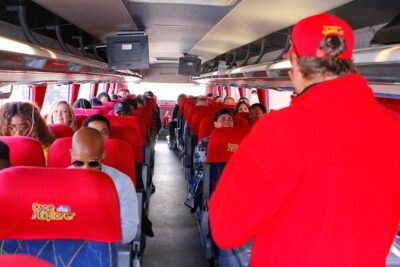
Cape Point and Boulder’s Penguins Full Day Tour
Read our review →