
Reviewed · SNORKELING
Kelp Forest Snorkeling in Cape Town
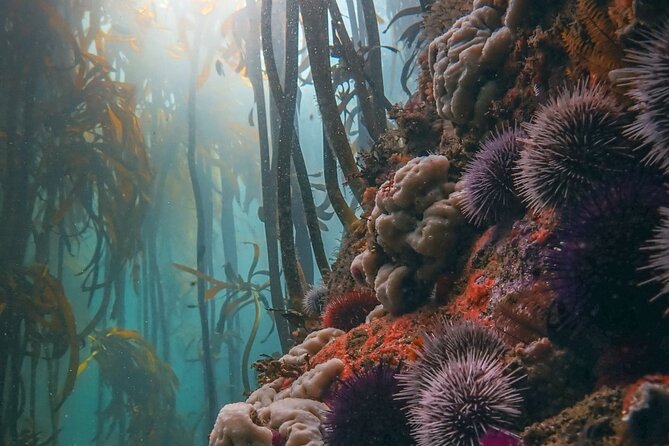
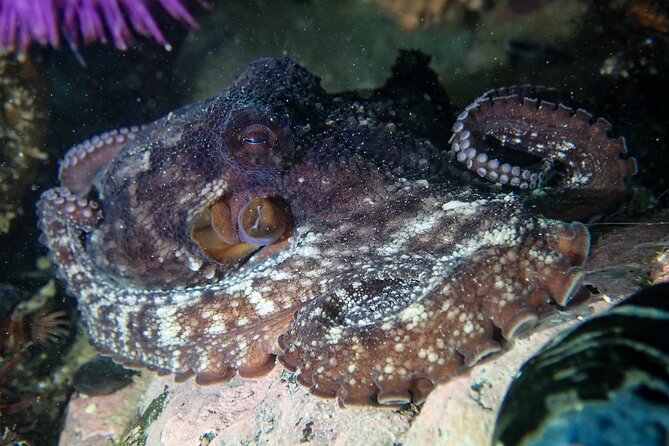
Cape Town’s kelp forest is not a flat patch of seaweed. It is a living underwater world, full of swaying plants, small fish, octopus, sea stars, anemones, and the occasional shy shark. This shore-based snorkeling trip lets you see it without a boat or advanced swimming skills.
I like two things right away: the guides take time to fit your equipment and explain the marine life before you enter, and each guide carries a safety buoy that less-confident snorkelers can hold. The main drawback is that the ocean decides the location and visibility, so the planned site can change, or the trip can be canceled in poor weather.
Key points to know before you book
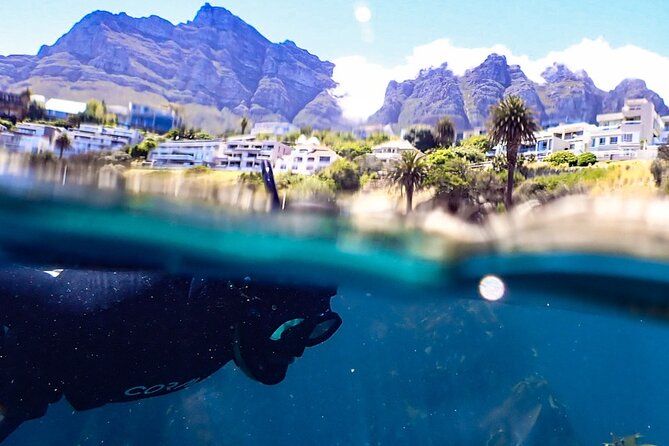
- Usually Windmill Beach: Most outings go to this sheltered-looking shore-entry site near Simon’s Town, but the final choice depends on weather, calmness, and visibility.
- No boat required: You enter from the beach, which keeps the outing simple and suits people who do not want a boat trip.
- Good for first-time snorkelers: You receive a marine-life briefing, equipment fitting, and help getting settled in the water.
- Small groups: A maximum of 10 people gives the guides room to offer personal help.
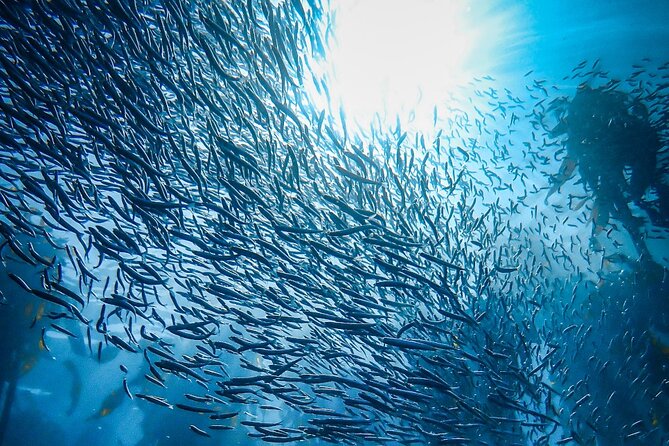
- Wildlife is unpredictable: You might see octopus, fish, sea stars, anemones, brittle stars, abalone, shy sharks, seals, stingrays, or penguins.
- Bring your own basics: Snorkeling equipment and a safety buoy are provided, but towels, food, and drinks are not.
Why Cape Town’s kelp forest is worth seeing
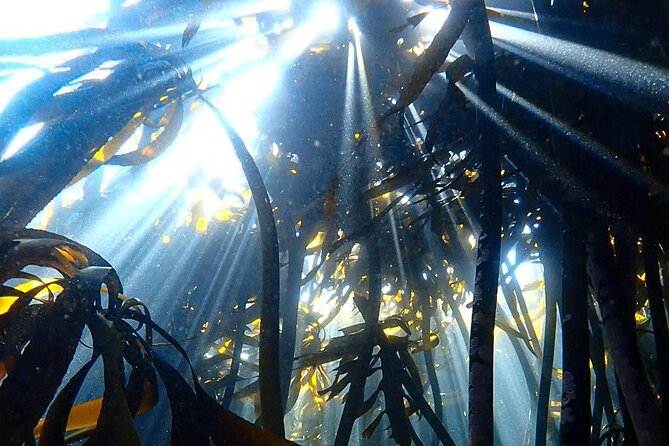
The appeal here is the setting beneath the surface. Cape Town’s Great African Sea Forest is a dense underwater habitat, and snorkeling gives you a gentle way to look into it. Kelp moves with the water, creating cover for fish and smaller creatures. The scenery changes as you go, not because you are covering a huge distance, but because every patch of rock or plant can hold something different.
This is a better choice for you if you enjoy looking closely rather than racing from one attraction to the next. The guides point out creatures that are easy to miss, including brittle stars, anemones, abalone, and small marine life hiding among the kelp.
The wildlife list is appealing, but keep your expectations sensible. The ocean does not follow a script. You may find fish and sea stars on one outing and perhaps catch sight of a passing seal or penguin on another. Shy sharks are possible, but they are not a guaranteed part of the experience.
That uncertainty is part of the charm, though it also explains why the trip depends so heavily on conditions. Clear water and a calm entry make a major difference. The team chooses the location on the day rather than forcing every group into the same spot.
More snorkelling spots in Cape Town:
- St. Lucia: Cape Vidal Snorkeling Adventure
★ 4.5 · 17 reviews - From St Lucia: Cape Vidal Full-Day Snorkeling Safari
★ 4.8 · 10 reviews - Caged and Cageless Shark Snorkelling on Durban’s Aliwal Shoal
★ 5.0 · 9 reviews
Starting in Muizenberg with a proper briefing
The experience begins at the Cape Town Freediving center at 1 Albert Road in Muizenberg. You first receive an explanation of the snorkeling plan, the equipment, and the marine life you might encounter. This opening matters, especially if you are new to snorkeling, because you can ask questions before you are standing at the water’s edge.
The staff then fit you with the supplied snorkeling equipment. The aim is to make the experience warm and comfortable, not to send you into cold water with a rushed fitting. A good fit also makes it easier to concentrate on what is below you instead of adjusting your mask or gear every few minutes.
The group size is limited to 10 people. That is small enough for the guide to notice who needs help and to keep the group together without turning the outing into a private tour. The exact number on your date may be smaller, but it will not exceed the stated maximum.
The briefing also gives the experience some purpose. You are not simply handed a mask and pointed toward the sea. You learn what kinds of creatures may be present and how the guide will assist you once you enter.
Choosing the site, usually Windmill Beach
The location is weather dependent. The team selects the site with the day’s visibility and calmness in mind, and most days the group goes to Windmill Beach in Simon’s Town. Other locations may be used when conditions make them a better choice.
This flexibility is one of the practical strengths of the outing. A fixed itinerary can look convenient on paper, but snorkeling quality depends on water conditions. A location that was excellent yesterday may have poorer visibility or rougher water today. The guides can respond to that instead of treating the schedule as more important than safety and enjoyment.
The trade-off is less certainty for you. You cannot plan around one guaranteed beach or promise yourself a particular animal. If Windmill Beach is not suitable, the team chooses another shore-entry location.
There is no boat. All sites use an entry from the shore, which keeps the trip straightforward and avoids time spent motoring to a reef. It also means you should be comfortable with the idea of entering the ocean from land, with the guide helping you as you get into the water.
Getting comfortable in the water
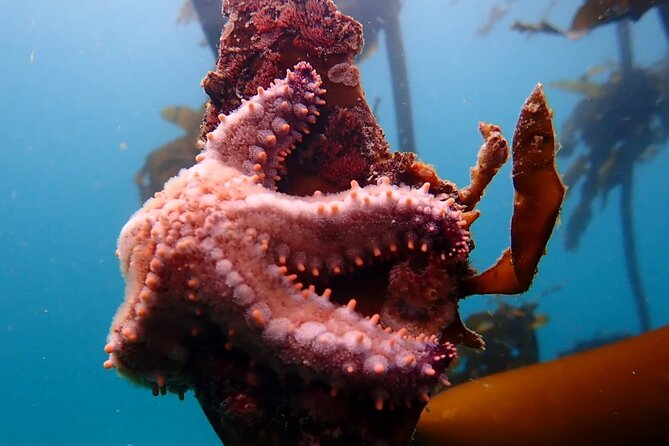
The guides help you enter and settle into your equipment. You do not need to be a skilled swimmer, and the experience is described as suitable for most ages. Still, you should be honest about your comfort level in the sea. The ocean can feel different from a swimming pool, and confidence may vary from person to person.
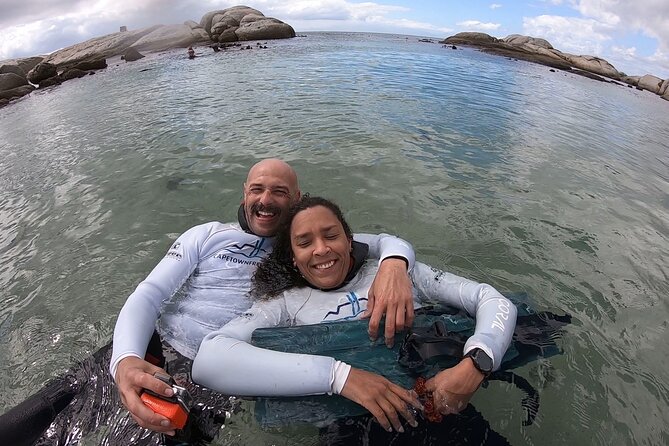
Each guide carries a buoy that you can hold if you need support. This is especially useful for first-time snorkelers, people who tire easily, or anyone who wants to pause without leaving the group. It does not turn the outing into a swimming lesson, but it gives you a simple way to steady yourself.
The guide’s role continues after you enter. You receive help with the equipment, pointers toward interesting marine life, and assistance as you get used to the water. The personal support is one reason this works better for beginners than an unsupervised beach rental.
The experience lasts about three and a half hours in total. That includes the briefing, fitting, travel to the chosen site, time in the water, and changing afterward. The exact time spent snorkeling is not specified, so do not treat the full duration as three and a half hours of continuous swimming.
A few more Cape Town days worth comparing
- Wine Tour: Paarl, Franschhoek & Stellenbosch incl 3 wineries
★ 5.0 · 3,940 reviews - Cape Town: Hop-On Hop-Off Bus Tour with Optional Cruise
★ 4.8 · 3,929 reviews - Cape Town: Cape of Good Hope & Penguins Day Tour with Pickup
★ 4.7 · 3,362 reviews - Zipline Cape Town – From Foot of Table Mountain Reserve
★ 5.0 · 3,179 reviews
The creatures you might find beneath the kelp
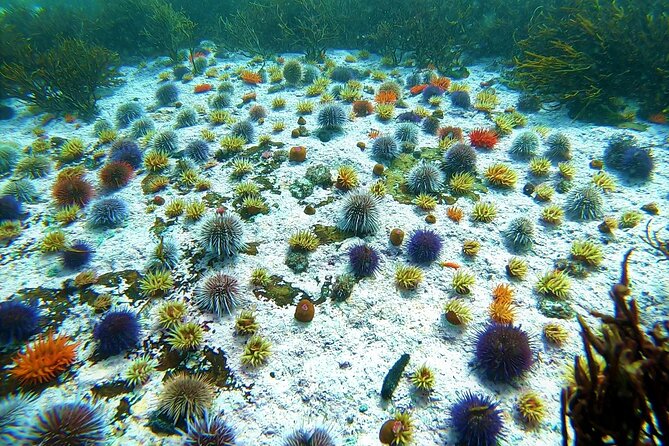
The possible sightings give this trip its character. You might encounter fish moving through the kelp, an octopus tucked into a rocky crevice, or a sea star resting on the bottom. Anemones and brittle stars add smaller details that reward slow looking.
Abalone may also be present. These creatures are easy to overlook unless someone points them out, which is where the guide adds real value. A marine-life briefing before entering helps you know what to search for once you are in the water.
Shy sharks are another possibility. The name can sound dramatic, but the description here is important: they are shy. The experience does not promise a shark encounter, and you should not book it as a guaranteed shark tour.
The more surprising sightings include seals, stingrays, and penguins. These animals have occasionally appeared near the snorkeling group, but they are wild visitors, not scheduled stops. You may see none of them, or you may have the kind of unexpected moment that becomes the main story of your Cape Town day.
Your best approach is to let the guide set the pace and keep your eyes open. The marine life may be close to the entry area or farther along the shore. The ocean reveals what it reveals.
What the guide team adds
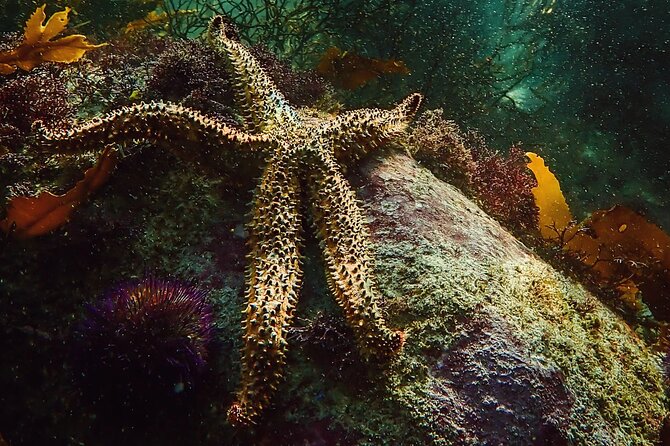
A strong guide can make a big difference in a sea-based activity, and this team’s role is practical from beginning to end. The staff briefs you, fits the equipment, helps you enter, points out creatures, and stays available if you need support.
Chris is specifically noted as a guide who can identify marine life and explain what you are seeing. If he leads your outing, you will have someone who can turn a quick glimpse of an animal into a more useful understanding of the kelp habitat.
The staff are also described as professional, friendly, and accommodating. Those qualities matter here because snorkeling combines unfamiliar equipment, changing conditions, and different levels of confidence within one group. You want a guide who can help without making a beginner feel awkward.
The personal attention seems strongest for first-timers. One guest who had never snorkeled before found the staff helpful and available throughout. That is a reassuring sign if you are curious about snorkeling but worried you will hold everyone back.
Changing afterward and returning to Muizenberg
After snorkeling, the group debriefs and changes back into dry clothes. The activity ends at the Muizenberg meeting point, but you can leave directly from the snorkeling site if you have your own vehicle.
That option can be useful if you plan to continue around Simon’s Town or the Cape Peninsula rather than return north to Muizenberg. If you are relying on public transportation or arrived without a car, plan on accompanying the group back to the center.
Bring a towel. It is not included, and you will want one after a water activity. Food and drinks are also not supplied, so pack what you need for the wider half-day outing, particularly if you intend to keep sightseeing afterward.
The experience is near public transportation, but the information does not specify routes or travel times. Check your route before setting out, and allow enough time to reach 1 Albert Road for the briefing.
Is the listed price good value?
The supplied tour details show a price of $0.00. That makes a normal value comparison impossible, and you should confirm the actual amount at the time of booking before making plans. If the displayed price is a promotional or placeholder amount, the final checkout figure is the one that matters.
At any paid price, the value rests in the service around the snorkeling, not just in access to the sea. You receive equipment, a marine-life and safety briefing, guide support, a buoy if needed, and a carefully chosen shore location. Renting gear and entering independently would not provide the same help for a first-time snorkeler.
The small group also has value. With no more than 10 participants, the guide can help you with the practical details that often decide whether snorkeling feels relaxing or frustrating.
The main value limit is the natural setting itself. You are paying for a guided chance to see the kelp forest, not a guaranteed list of animals or fixed water clarity. If you need a predictable wildlife show, this may feel uncertain. If you enjoy nature as it comes, the unpredictability is part of the experience.
Who should book this outing
I would point this toward first-time snorkelers, casual swimmers, families with participants across different confidence levels, and visitors who want a small-group ocean activity without a boat. The easy shore entries and guide-held buoy make it less intimidating than an independent snorkeling attempt.
It also suits you if you want a closer look at local marine life rather than a fast sightseeing stop. The briefing and guide commentary give the outing an educational side without making it feel like a classroom.
You should think twice if you dislike changing plans or need guaranteed calm water. The final location depends on weather, and poor conditions can lead to a new date or a full refund. Anyone booking should also be comfortable with a shore entry and remember that most ages can participate does not mean every person will find the sea equally easy.
The experience has a maximum of 10 people and a reported rating of 4.8 from 12 ratings, with all recommendations marked positive. The strongest praise centers on helpful staff, comfort in the water, marine-life knowledge, and professional service. Those are exactly the areas that matter most on a beginner-friendly snorkeling trip.
Cancellation and weather details
You can cancel up to 24 hours before the start time for a full refund. Changes or cancellations made less than 24 hours before the local start time are not accepted for a refund.
Because the trip requires good weather, the operator may cancel it in poor conditions. In that case, you are offered another date or a full refund. If the minimum number of participants is not reached, you are offered another date or experience, or a full refund.
Should you book Kelp Forest Snorkeling in Cape Town?
Book it if you want a guided, shore-based introduction to Cape Town’s underwater world, especially if you are new to snorkeling or would value a buoy and close staff support. The chance to see octopus, sea stars, anemones, abalone, shy sharks, and surprise visitors such as seals or penguins makes it more interesting than a simple swim.
Skip it if you need guaranteed wildlife, a fixed beach, or a boat-based reef trip. For everyone else, the combination of small groups, flexible site selection, supplied equipment, and attentive guides makes this a sensible way to meet the Great African Sea Forest.
FAQ
Where does the snorkeling experience begin?
It begins at the Cape Town Freediving center at 1 Albert Road, Muizenberg, Cape Town, 7950, South Africa.
How long does the experience last?
The full experience lasts approximately 3 hours and 30 minutes.
Does the tour use a boat?
No. The snorkeling locations use shore entries, and the outing does not use a boat.
Where will the snorkeling take place?
The location depends on the weather, water calmness, and visibility. Most days, the group goes to Windmill Beach in Simon’s Town.
Do I need to be a skilled swimmer?
No. The experience is suitable for most ages and does not require you to be a skilled swimmer. A guide carries a safety buoy that you can hold if you need extra support.
What equipment is included?
Snorkeling equipment, a safety buoy if needed, and a marine-life and equipment briefing are included.
What should I bring, and what happens if the weather is poor?
Towels, food, and drinks are not included, so bring your own. If poor weather causes a cancellation, you are offered a different date or a full refund.
Just listed around Cape Town
- Cape Town: Inspiring sustainable change through Street Art★ 4.9 · 5 reviews
- Cape Town Tandem Paragliding Square 1 Paragliding★ 5.0 · 5 reviews
- SandBoarding in Capetown + PhotoShoot★ 4.0 · 5 reviews
- Cape Town: Full-Day Private Peninsula Tour★ 3.6 · 5 reviews
- Private FULL DAY Tour: Cape of Good Hope & Boulders Beach★ 5.0 · 5 reviews
- Cape Town Full Day Family Fun With Kids Private Tour★ 4.0 · 5 reviews
- Private Tour to Aquila Game Reserve in Cape Town – see the Big5★ 5.0 · 5 reviews
- Peninsula Tour Cape Town★ 5.0 · 5 reviews
Snorkeling, compared.
Caged and Cageless Shark Snorkelling on Durban’s Aliwal Shoal
Read our review →
Kosi Bay Mouth Experience – Kayaking, Snorkeling, Fish Trap Tour and Fish braai
Read our review →Browse the lists this tour appears in