
Reviewed · TABLE MOUNTAIN TOURS
Cape Town: Table Mountain Kasteelspoort Hiking Trail
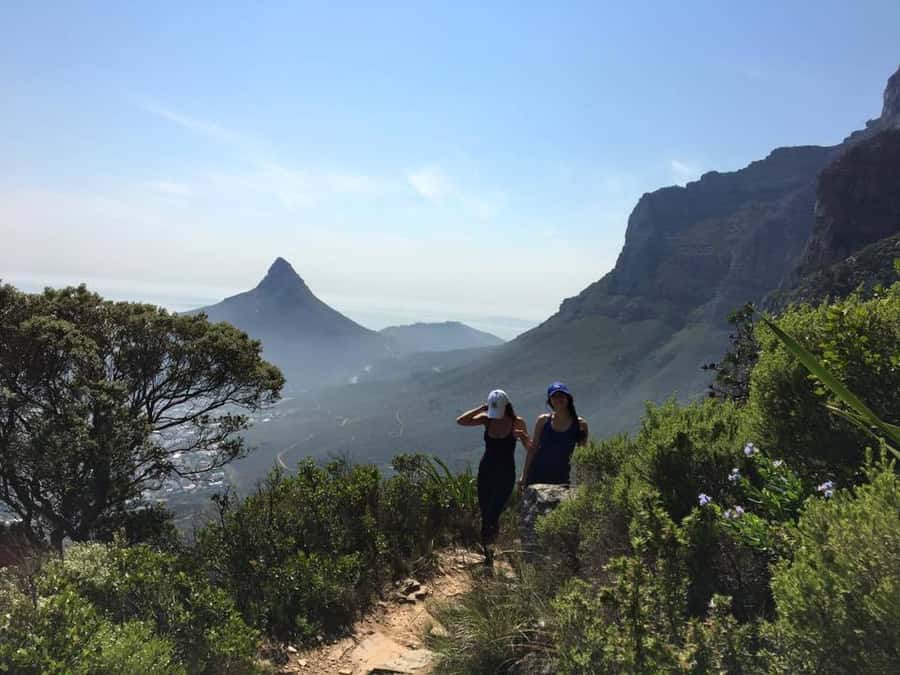
Table Mountain’s Kasteelspoort route gives you the mountain from the inside out: you start among the cliffs above Camps Bay, climb a winding ravine, then cross the high plateau toward the Cableway. The reward is not one single viewpoint, but a changing set of views, plants, old engineering, and big open sky.
I like the small group limit of 10, which gives your guide room to point out Proteas, explain local history, and adjust the pace. I also like the practical finish: after the walk, you descend in the 360-degree rotating cable car, rather than retracing the trail on foot.
The main catch is the price. At $112 per person, the tour is a useful package if you value pickup, guiding, water, a snack, and local interpretation, but the Cableway ticket is extra. If weather closes the cable car, you must walk down and pay an additional R500 per person.
Key points to know before you book
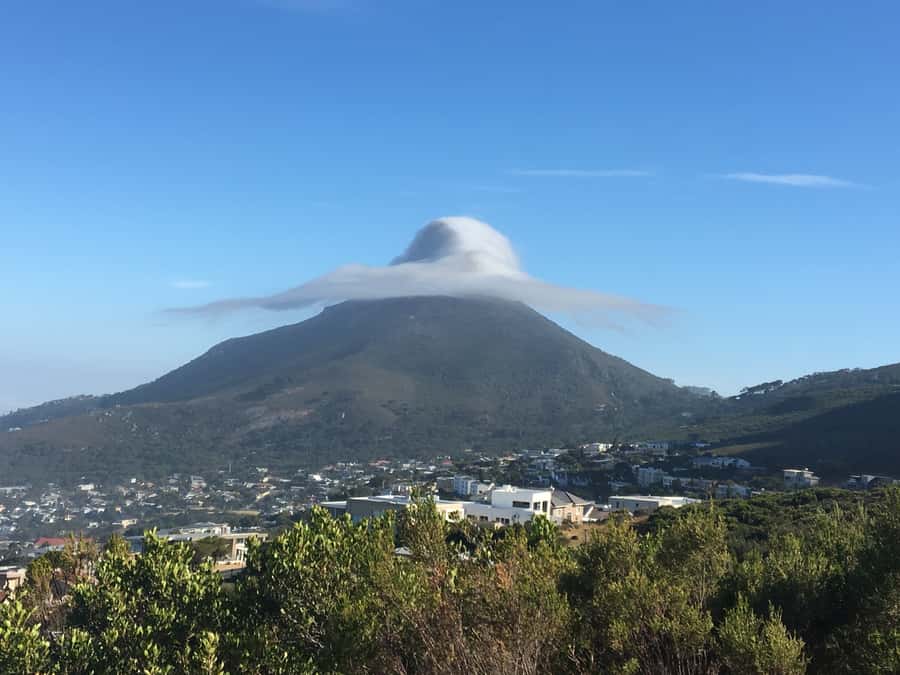
- The route climbs from Camps Bay through Kasteelspoort ravine, using a steady, meandering path rather than a short scramble.
- Proteas and thick fynbos give the walk a strong sense of place beyond the usual city views.
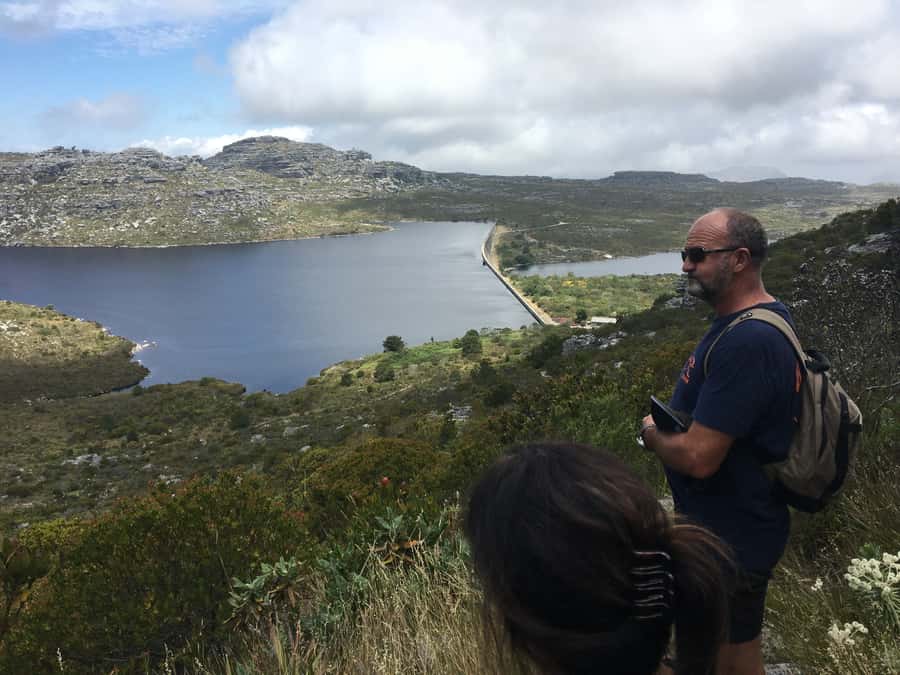
- Woodhead Dam adds an unusual human story to the mountain portion of the hike.
- The best photo stop is chosen by your guide, with views toward Camps Bay, the Cableway, and Signal Hill.
- The cable-car ride is not included, and poor weather or maintenance can turn the four-hour outing into a longer walk down.
- Guides such as Amber, Mike, and Lynette bring local stories, plant knowledge, and practical Cape Town advice to the walk.
Starting above Camps Bay on Kasteelspoort
Your day begins with pickup from accommodation in Cape Town’s City Bowl and nearby areas. That removes one small but real hassle: finding the trailhead and arranging transport before a mountain walk. The exact pickup time is confirmed by your guide, and the drive takes you to beautiful Camps Bay, where the Kasteelspoort route begins.
The first part of the trail follows Kasteelspoort ravine. The path winds upward through steep mountain country, with dramatic cliff faces and dense fynbos around you. This is not a flat sightseeing stroll. You gain height throughout the climb, so you will feel the effort, especially if you are not used to sustained uphill walking.
The route is described as suitable for anyone reasonably fit, but that phrase deserves a practical reading. You do not need to be a serious mountaineer, yet you should be comfortable walking uphill for a substantial part of four hours. The tour is not suitable for people with mobility impairments, back problems, or a low level of fitness.
Wear shoes with a firm grip. Wet and slippery sections have been encountered on the trail, so ordinary casual shoes may leave you less secure. A hiking boot is not compulsory in the tour details, but it is a sensible choice if conditions are damp or you are unsure on uneven ground.
More ways up Table Mountain:
- Zipline Cape Town – From Foot of Table Mountain Reserve
★ 5.0 · 3,179 reviews - Cape Town: Table Mountain Cable Car, Hop-On Hop-Off Bus Tour
★ 4.6 · 3,157 reviews - Table Mountain, Penguins & Cape Point Small Group Tour Cape Town
★ 4.5 · 1,797 reviews
Fynbos, Proteas, and the character of the climb
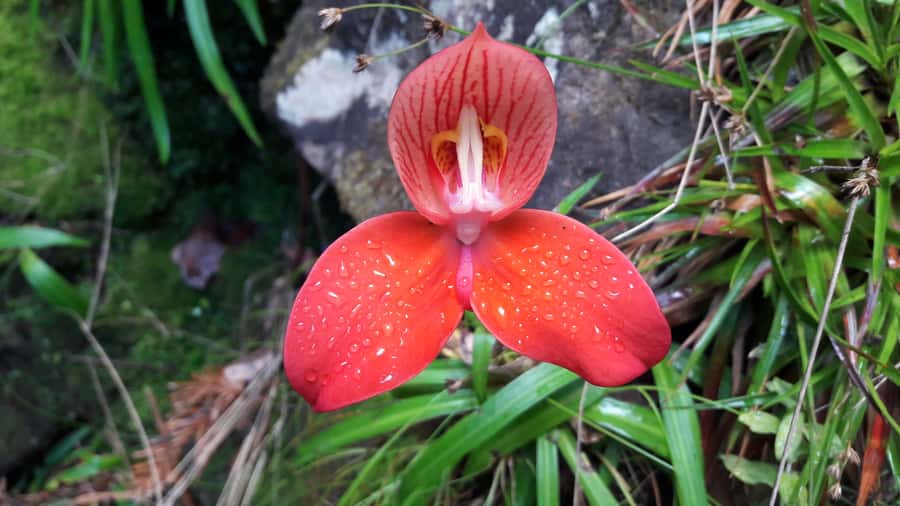
The plants are one of the reasons to choose a guide rather than simply treating the route as a way to reach the summit. Kasteelspoort passes through thick fynbos, including Protea bushes, the distinctive flowering plants associated with the Cape.
Your guide can make the vegetation easier to notice. Amber, one of the guides used on this experience, has pointed out different plants and connected them with stories about Cape Town’s past. That kind of explanation adds value because the fynbos can otherwise look like a wall of green and scrub when you are concentrating on your footing.
The mountain scenery changes as you climb. Near the ravine, the cliffs give the route a contained, rugged feeling. Higher up, the view begins to open toward Camps Bay and the coast. You get a physical sense of the height you have gained, rather than simply arriving at a viewpoint by vehicle or cable car.
Take your time here. The walk is only four hours in total, but the best parts are not always the places where you stop for an official break. A guide may pause for a plant, a story, or a look back down the ravine. Those short interruptions help break up the climb and make the route feel less like a fitness test.
The high plateau and Table Mountain views
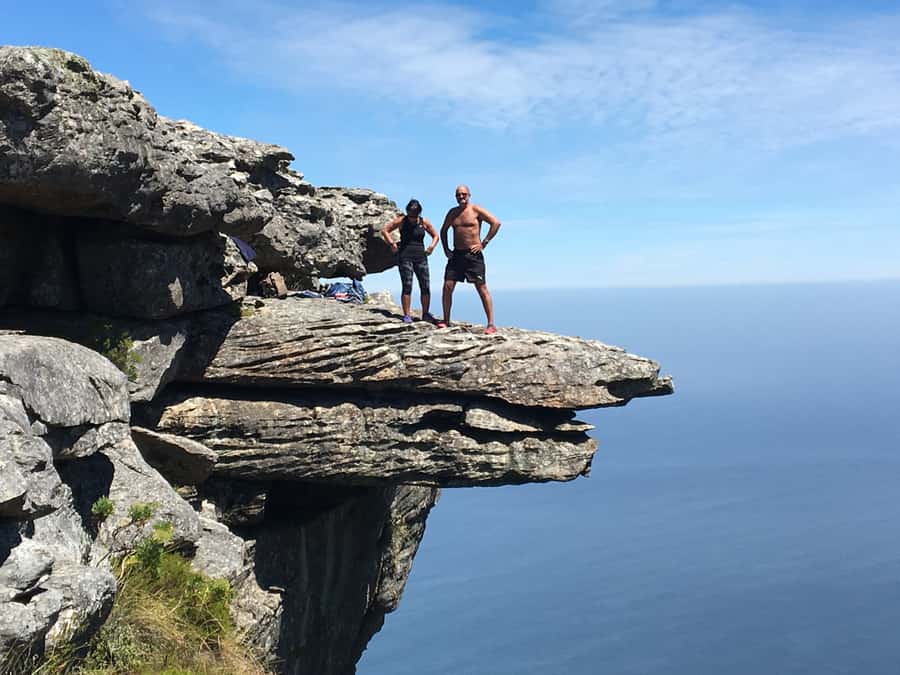
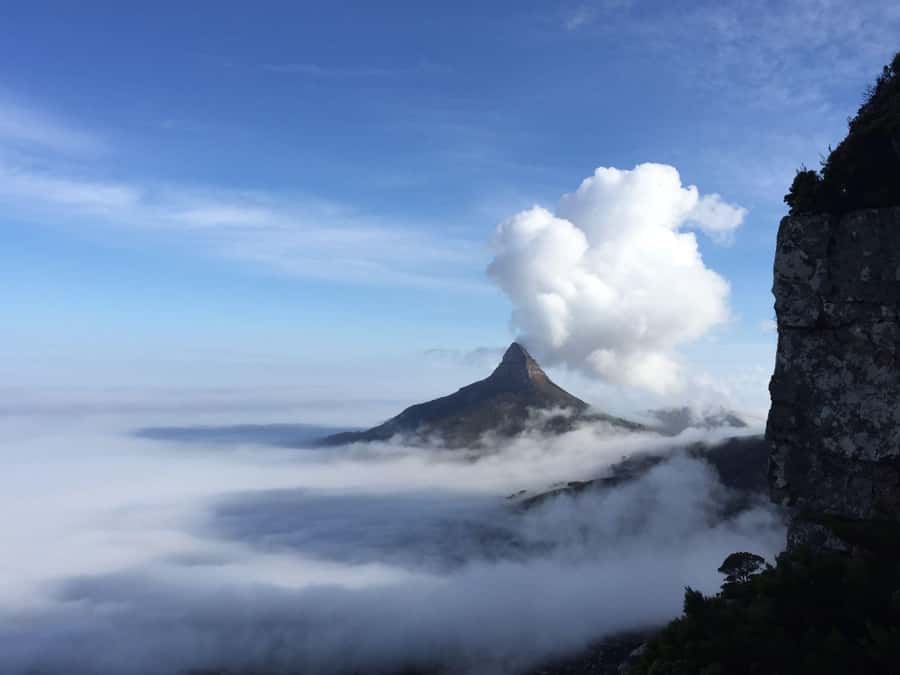
Once you reach the top, the experience changes pace. The steep climb gives way to broader walking toward the Cableway, with views across Table Mountain and out toward Signal Hill. Camps Bay appears below, while the mountain’s broad upper areas stretch toward the cable station.
This is the section for photos. The guide leads you to what is described as the best photo stop on Table Mountain, so you are not left guessing where to frame the view. Your guide’s judgment matters here because cloud, light, and visibility can change the best position from one day to the next.
The outlook is a major strength of the route. You see Camps Bay from above, then look across the mountain toward the Cableway. It gives you a fuller sense of Table Mountain than a short visit around the upper cable station alone.
Still, do not expect a gentle walk simply because you have reached the top. You will continue across uneven mountain ground toward Woodhead Dam and the Valley of the Red Gods. Comfortable shoes, sunscreen, a hat, and a daypack remain useful after the main climb is finished.
Woodhead Dam, an unexpected mountain stop
Woodhead Dam is the route’s unusual feature. Instead of offering only rocks and views, the walk takes you to an impressive piece of mountain engineering. It gives the guide another chance to add context and helps break the day into distinct stages.
The dam also changes the mood of the outing. After the natural cliffs and fynbos, you encounter evidence of people working with the mountain itself. You can pause to take in the structure, have some water or a snack, and appreciate the practical challenge of building and maintaining infrastructure in such a high setting.
Water and a small snack are included, but I would still carry extra food if you know you get hungry on a four-hour hike. The suggested packing list includes snacks and water for good reason. Bring sunscreen, a jacket, personal medication, a camera, and a daypack as well.
Mountain weather can shift, so the jacket matters even on a warm Cape Town morning. The supplied information does not promise a particular weather pattern or temperature at the top, and the Cableway can close because of weather or maintenance. Prepare for the outing you have booked, not just the conditions you see at pickup.
More Hiking Tours in Cape Town:
- Cape Town: Lion’s Head Sunrise or Sunset Hike
★ 5.0 · 1,084 reviews - Cape Town: Lion’s Head Sunrise/Sunset Hike
★ 5.0 · 921 reviews - Cape Town: Table Mountain Hike with an Expert Guide
★ 4.9 · 666 reviews - Cape Town: Lion’s Head Sunrise or Sunset Guided Hike
★ 5.0 · 642 reviews
Walking through the Valley of the Red Gods
From Woodhead Dam, the route continues through the Valley of the Red Gods toward the Cableway. This section links the mountain’s engineering story with its high natural setting and moves you gradually toward the end of the hike.
The name alone suggests a distinctive part of Table Mountain, but the practical point is that you are still walking before the descent. You need enough energy left for this final stretch. The guide keeps the small group together and can help you judge the pace.
This is also where the tour’s structure feels most efficient. You climb from Camps Bay, cross the upper mountain, visit the dam, and finish at the Cableway rather than returning to the original trailhead. The route is point to point, so you see more of the mountain and avoid repeating the same uphill path.
That efficiency depends on the cable car running. If it does, you buy your own one-way ticket and ride down to the Lower Station in the rotating cable car. The rotation gives you changing views during the descent and makes the final stage feel like part of the experience, not merely transport.
The cable car cost and the weather risk
The one-way Cableway ticket is not included in the $112 price. You should budget for it separately before booking. The tour includes transport from your accommodation, an experienced English-speaking guide, water, and a small snack, so the price is not just payment for access to a walking route.
I see the value most clearly if you are visiting Cape Town for a short stay, want a guide, and prefer not to organize transfers or navigate the route alone. Pickup and local interpretation save time. The group size also keeps the experience more personal than a large sightseeing outing.
The value is less convincing if you are a confident hiker who already knows Table Mountain and can arrange transport yourself. One person specifically felt that the cost was high for a four-hour walk, even while recommending the guide. That is a fair reservation. You are paying for convenience, safety, guiding, and the planned route, not just the number of hours on foot.
There is also a financial risk if the cable car shuts down because of weather or maintenance. In that case, the guide walks you down, adding about two hours, and an additional R500 per person is charged. That amount can be paid to the guide in cash. Ask yourself if you are comfortable with this possibility before you commit.
What the guides add to the day
The guides are central to the experience. Amber has been praised for arriving on time, explaining local plants, sharing Cape Town history, and stopping for hot rooibos tea and snacks. Mike has been described as offering local knowledge and handling the walk well. Lynette brings plant and area information, along with useful suggestions for later stops in Cape Town.
Those details show what you should expect from the guiding style: not just directions at trail junctions, but an ongoing explanation of the mountain and the city below it. The information is delivered in English, and the group remains small enough for questions.
A guide also gives you a safety advantage on a mountain route. That does not remove the need to watch your footing or prepare properly, but it means you are not responsible for every navigation decision. The guide knows the intended route and can point out the strongest photo stop.
This is a good choice if you are active but do not usually hike. One person who described themselves that way managed the route without problems, though they recommended hiking boots because of wet, slippery sections. That is the right expectation: approachable for a reasonably fit beginner, but still a real mountain walk.
Timing, pickup, and what to pack
The stated duration is four hours, with starting times based on availability. Pickup is included from accommodation in the Cape Town City Bowl and immediate surrounding areas. If you are staying outside those zones, the supplied details do not promise collection, so confirm the arrangement before booking.
Your small group can have up to 10 participants. That is large enough to give the outing a social feel, but small enough for the guide to hear questions and notice if someone is struggling. The actual pace will depend on the group and on trail conditions.
Bring:
- Comfortable shoes with good grip
- A sun hat and sunscreen
- A jacket
- Water and extra snacks
- A camera
- A daypack
- Any personal medication you need
The tour supplies water and a small snack, but I would not rely on those as your entire food and drink plan. Mountain walking uses more energy than a four-hour city outing, and the cable-car closure option could extend your day by about two hours.
Who will enjoy this Table Mountain route
I would choose this hike if you want a guided introduction to Table Mountain that combines exercise, views, plants, history, and a practical cable-car finish. It suits an active visitor who is comfortable with uphill walking but does not want to tackle the mountain alone.
It also works well for someone who wants more than the familiar cable-car visit. You see the mountain from the Camps Bay side, walk through Kasteelspoort ravine, visit Woodhead Dam, and cross the Valley of the Red Gods. That gives the outing more variety than simply riding up and taking photos near the Upper Station.
I would hesitate if your main goal is the prettiest possible hike and nothing else. One assessment found Lion’s Head more beautiful as a walk, so Kasteelspoort is best chosen for its combination of scenery, plant life, engineering, and point-to-point route rather than for a single perfect view.
I would also hesitate if you dislike uncertainty. The Cableway ticket is extra, and poor weather or maintenance can add two hours of walking and R500 to the cost. Bring a jacket, carry enough water and food, and treat the cable car as a planned possibility rather than an absolute guarantee.
Should you book the Kasteelspoort hike?
Book it if you want a well-organized, guide-led mountain day with pickup, a small group, local stories, and a cable-car descent. The route offers more variety than a basic summit visit, and the guides appear to be the strongest part of the experience. Amber, Mike, and Lynette each bring the kind of practical local insight that makes the mountain easier to understand.
At $112, it is not the cheapest way to walk on Table Mountain. I think the price makes sense for visitors who value convenience and guidance, especially active beginners or people with limited time in Cape Town. Confident hikers who can manage their own transport may find better value elsewhere.
Check the cable-car conditions, carry cash for the possible R500 backup charge, and wear shoes suited to wet ground. If you are reasonably fit and want a route that mixes Camps Bay views, fynbos, Woodhead Dam, and the high plateau, this is a strong choice.
FAQ
How long does the Kasteelspoort hiking experience take?
The listed duration is four hours. If the Cableway is closed because of weather or maintenance, the guide walks you down, adding about two hours.
Is the Cableway ticket included?
No. The one-way ticket down to the Lower Station is not included in the tour price.
What happens if the cable car is closed?
Your guide will walk you down the mountain instead. This adds about two hours, and an additional R500 per person is charged, payable to the guide in cash.
Is transport from my accommodation included?
Pickup and return transport are included for accommodation in the Cape Town City Bowl and immediate surrounding areas. Your guide confirms the pickup time.
How fit do I need to be?
The hike is intended for people who are reasonably fit. It is not suitable for people with back problems, mobility impairments, or a low level of fitness.
What should I bring?
Bring comfortable shoes, a sun hat, sunscreen, a camera, snacks, water, a jacket, a daypack, and any personal medication. The tour also provides water and a small snack.
Just listed around Cape Town
- Cape Town: Inspiring sustainable change through Street Art★ 4.9 · 5 reviews
- Cape Town Tandem Paragliding Square 1 Paragliding★ 5.0 · 5 reviews
- SandBoarding in Capetown + PhotoShoot★ 4.0 · 5 reviews
- Cape Town: Full-Day Private Peninsula Tour★ 3.6 · 5 reviews
- Private FULL DAY Tour: Cape of Good Hope & Boulders Beach★ 5.0 · 5 reviews
- Private Tour to Aquila Game Reserve in Cape Town – see the Big5★ 5.0 · 5 reviews
- Cape Town Full Day Family Fun With Kids Private Tour★ 4.0 · 5 reviews
- Peninsula Tour Cape Town★ 5.0 · 5 reviews
Table Mountain Tours, compared.
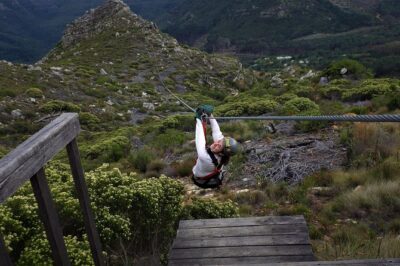
Zipline Cape Town – From Foot of Table Mountain Reserve
Read our review →
Table Mountain Cable Car, Hop-On Hop-Off Bus Tour
Read our review →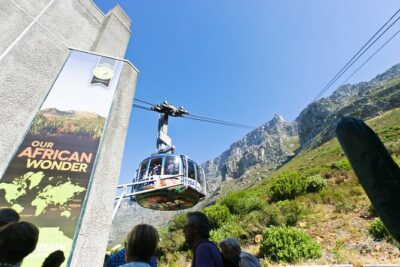
Table Mountain, Penguins & Cape Point Small Group Tour Cape Town
Read our review →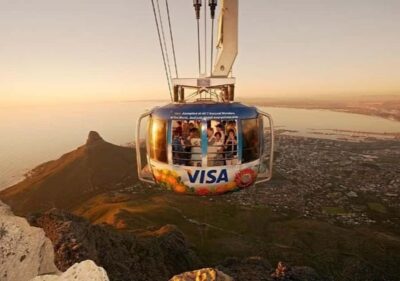
Cape Town Tour: Table Mountain, Penguins & Cape Point+Pickup
Read our review →
Table Mountain, Cape Point, & Penguins Group Tour
Read our review →
Table Mountain & Cape of Good Hope Full-Day Tour
Read our review →
Table Mountain, Cape of Good Hope & Penguins including Park Fees
Read our review →Browse the lists this tour appears in