
Reviewed · GARDEN ROUTE TOURS
Monkeyland, Birds of Eden, Jukani – Animal Sanctuaries
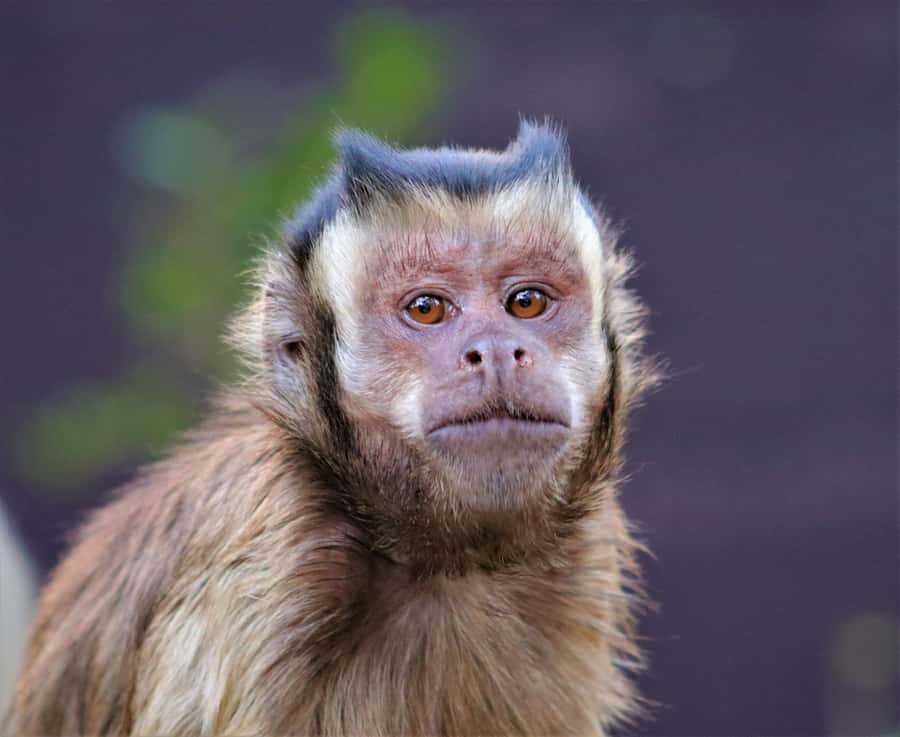
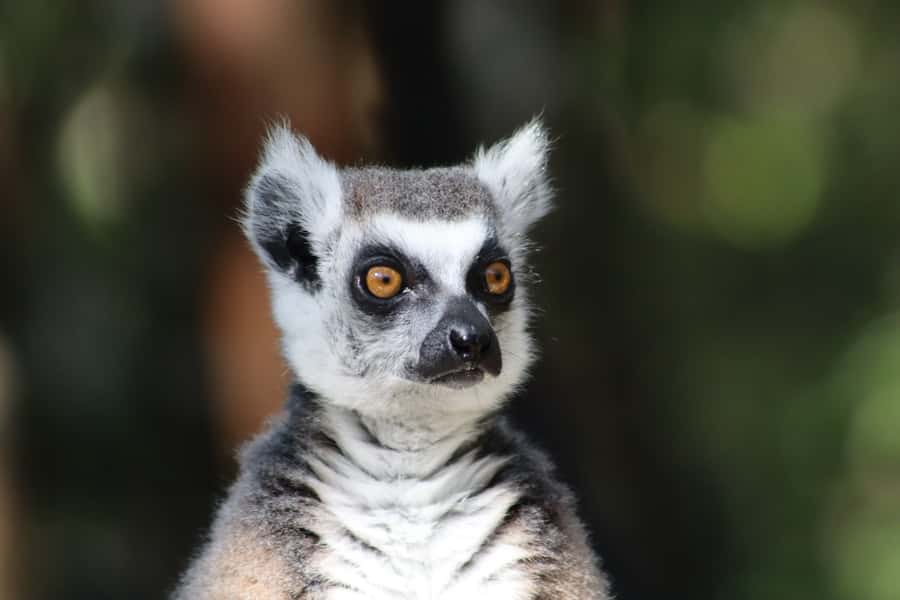
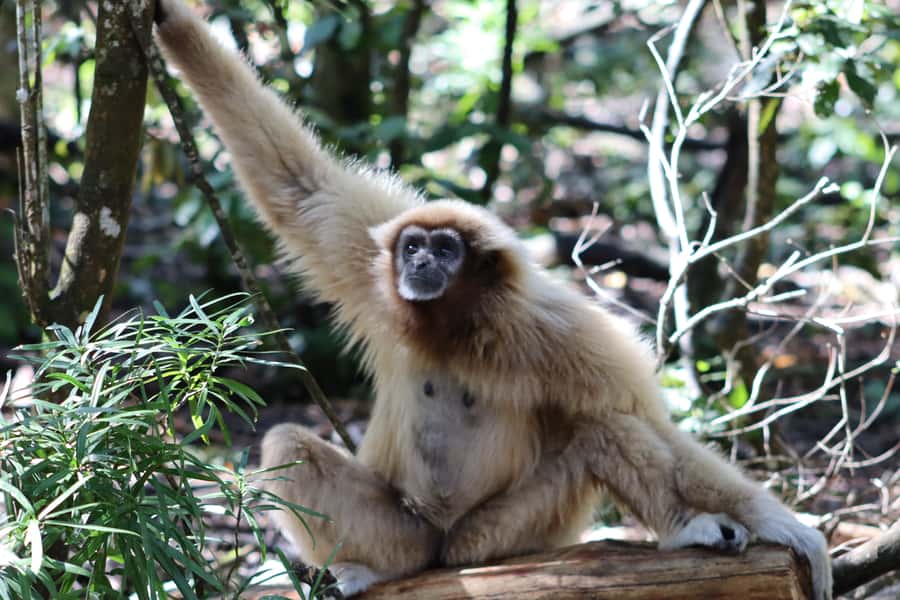
More than 550 rescued apes, monkeys, and lemurs roam through Monkeyland’s 12-hectare indigenous forest, making this much more than a quick animal display. You hear the primates before you see them, then follow an experienced guide through their forest home.
I like the close-up primate encounters and the freedom to set your own pace at Birds of Eden. The big cats at Jukani add a different mood, with lions, tigers, leopards, jaguars, cheetahs, and pumas in large habitats. The main consideration is time: seeing all three properly can take one to three days, and Jukani feels less natural than the forest sanctuaries.
Key points to know before you go
- Monkeyland’s 550-plus primates live in a free-roaming, multispecies forest sanctuary.
- The 128-meter suspension bridge gives you a treetop view through Monkeyland’s canopy.
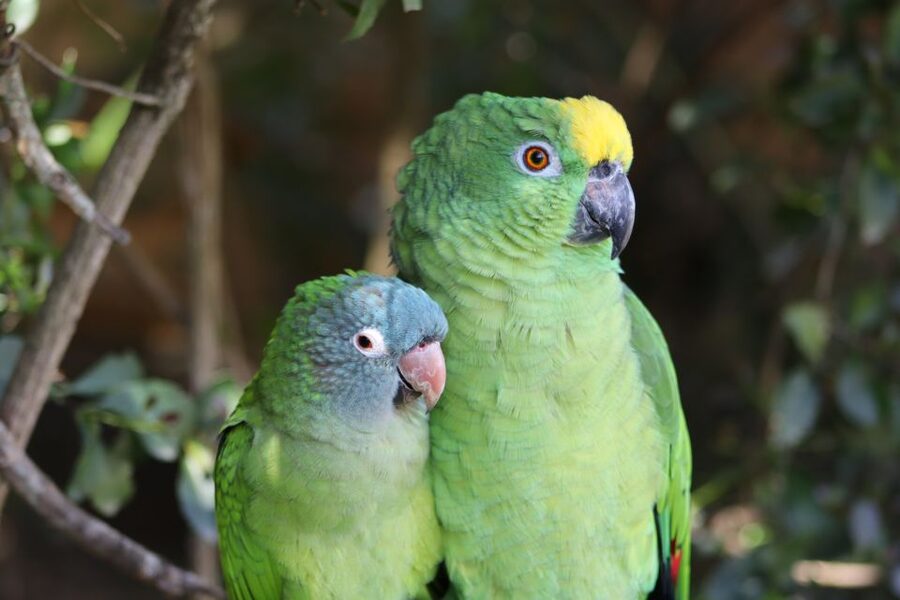
- Birds of Eden houses more than 3,500 birds from 220 species and subspecies in a huge free-flight aviary.
- Jukani focuses on rescued big cats, including lions, tigers, jaguars, leopards, cheetahs, and pumas.
- Guided tours matter at Monkeyland and Jukani, while Birds of Eden is mainly explored at your own pace.
- A combination ticket offers better value if you plan to visit more than one sanctuary.
Three sanctuaries, three very different visits
This experience brings together Monkeyland, Birds of Eden, and Jukani Wildlife Sanctuary in the Western Cape. You can choose one sanctuary, two, or all three, with visits spread across one to three days depending on the option and your pace.
I would not treat them as interchangeable animal parks. Each has a clear focus. Monkeyland is about social primates living together in forest. Birds of Eden is a large walk-through aviary where flight and bird behavior take center stage. Jukani gives you a closer look at rescued predators and other animals that need permanent care.
The advertised price is about $23 per person, though the exact cost depends on the sanctuary combination you choose. One sanctuary can make sense if your schedule is tight, but a combination ticket usually works out cheaper per sanctuary and gives you a fuller day out.
You do not get hotel pickup or drop-off, and the meeting point can vary by the option booked. Plan your own transport carefully before setting out. The sites are best suited to visitors who are already exploring the Garden Route rather than those seeking a fully escorted day trip from a hotel.
A few more Plettenberg Bay days worth comparing
- Plettenberg Bay: Swim with Seals
★ 4.7 · 887 reviews - Knysna Ziplines Tour
★ 5.0 · 688 reviews - Standard Canyoning Trip in The Crags, South Africa
★ 5.0 · 381 reviews
Monkeyland: a forest full of chatter
Monkeyland is the most distinctive stop of the three. It was created as the world’s first multispecies free-roaming primate sanctuary, with a permanent home for animals that were previously kept in captivity or could no longer remain in their former facilities.
More than 550 apes, monkeys, and lemurs live across 12 hectares of indigenous forest. The aim is not to put each animal in a separate enclosure. Instead, the sanctuary gives different primate species room to move, climb, call, and form social groups in a setting that feels closer to a natural forest than a traditional zoo.
You begin to understand the character of the place before the tour starts. The sound of primates calling from the trees creates a lively welcome, and the forest makes the experience feel active rather than staged. You might spot animals high in the canopy or close to the path, so patience helps.
The included one-hour guided tour is important. Your guide points out the different species and explains their backgrounds, behavior, and place in the sanctuary. The guides are described as among the most experienced primate guides in South Africa, and the tour includes both useful facts and stories about individual animals.
A highlight is the 128-meter suspension bridge crossing the Monkeyland canopy. It gives you a higher view into the trees and adds a little adventure without turning the visit into an extreme activity. Wear stable shoes, especially if you are less comfortable on raised walkways.
Monkeyland works especially well for families, photographers, and anyone who wants to understand why rescued primates need more than a small cage and a regular feeding schedule. You are asked not to touch the animals. That rule protects both you and the primates, and it keeps the contact on their terms.
Tours are conducted in English. A French guide can be arranged if you request it at least 48 hours in advance and provide your arrival time. There is no extra charge for this language-specific guide, but it must be organized before you arrive.
Birds of Eden: a 50-meter-high free-flight aviary
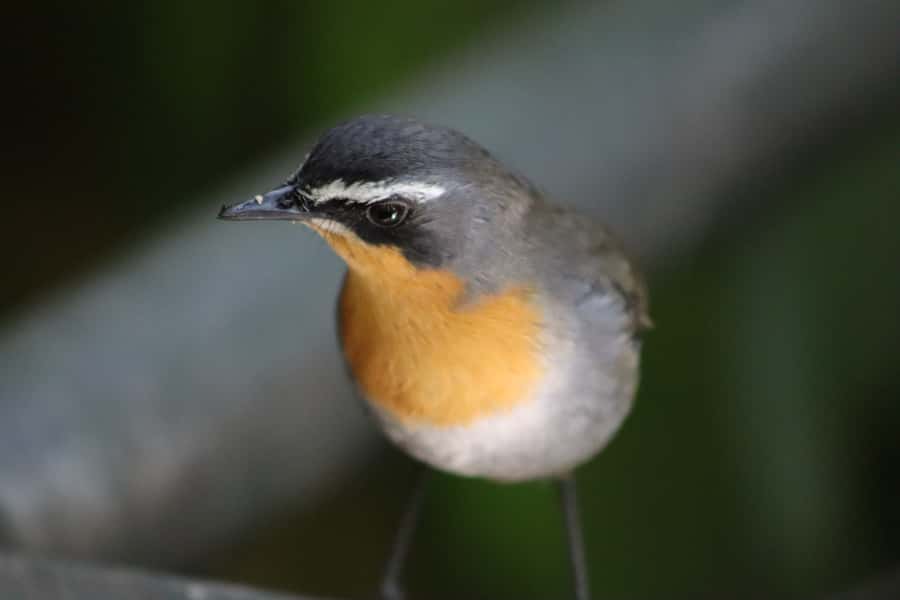
Birds of Eden has a completely different rhythm. Instead of joining a fixed guided walk, you explore the sanctuary on your own along a 1.2-kilometer walkway.
The aviary covers 2.3 hectares of partly forested ground and is enclosed by 3.2 hectares of mesh. In places, the structure reaches about 50 meters high, giving birds room to fly above the treetops. A gorge, waterfall, and forest paths make the setting feel larger than a standard indoor bird house.
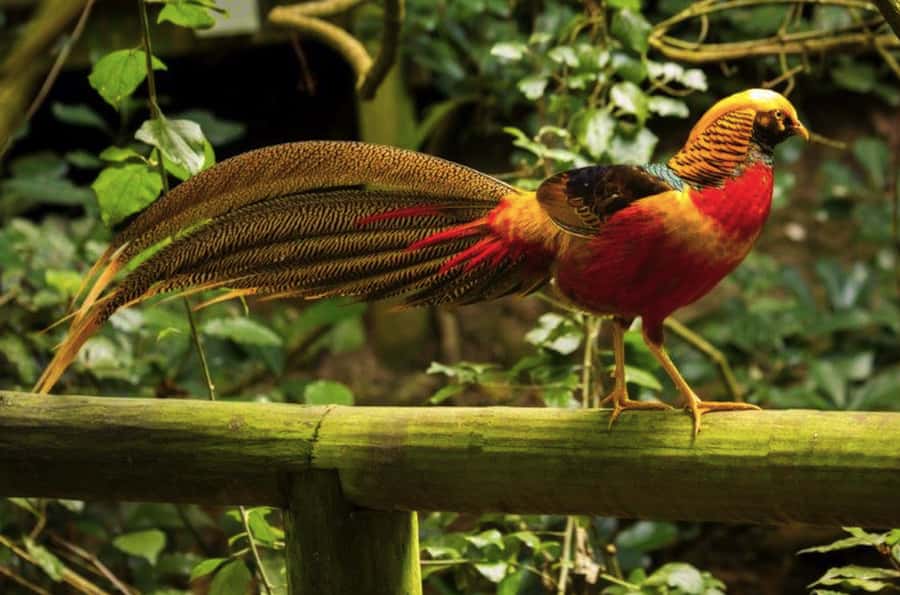
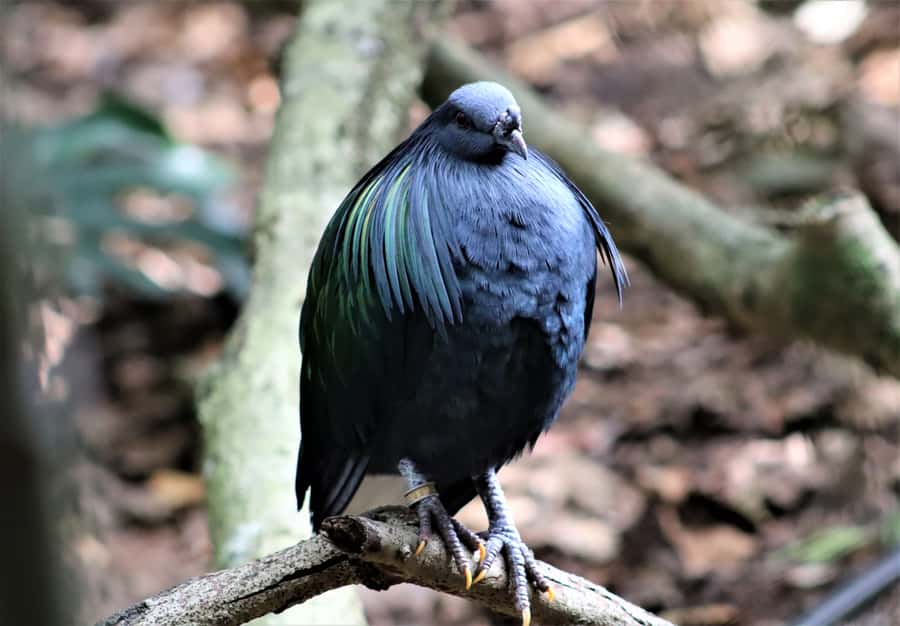
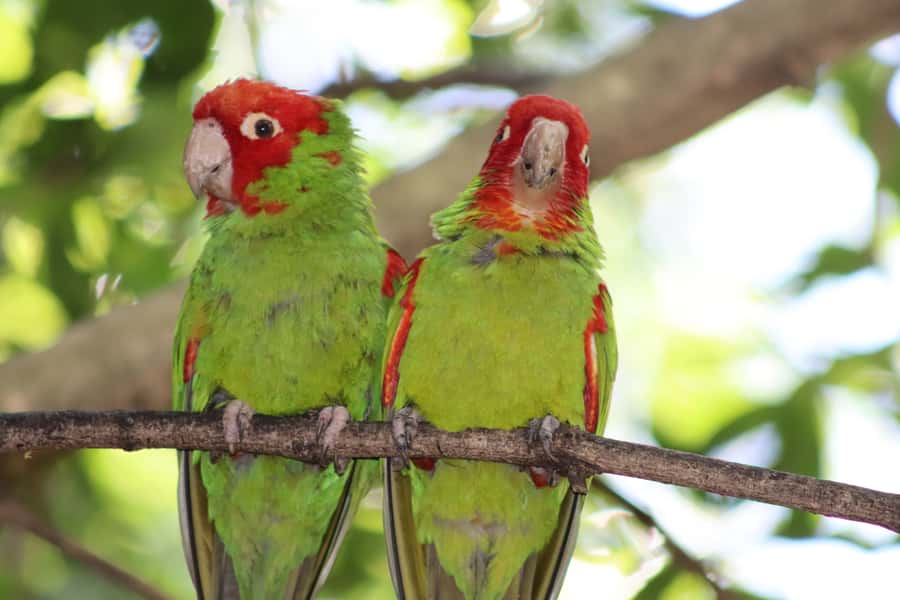
More than 3,500 birds live here, representing 220 species and subspecies. You might see parrots, parakeets, flamingos, cranes, waterfowl, starlings, robins, and several kinds of lourie, including the Knysna lourie. The Knysna lourie is especially memorable for its unusual call, which sounds rather awkward compared with its graceful appearance.
The sanctuary also gives previously caged birds space to use their wings and show more natural behavior. That matters when you are deciding how to spend your time. You are not simply looking at colorful birds behind glass. You are watching them move through a large vertical forest setting, although sightings can be less predictable than at a conventional exhibit.
I would allow plenty of time here. The path is 1.2 kilometers, but the birds, gorge, waterfall, and treetop views invite a slower pace. If you hurry, you may miss the point of the place. Bring binoculars if you have them, though they are not required.
Birds of Eden is also the easiest stop for independent visitors. You can walk at your own speed, pause for photographs, and spend as much of the day as you wish within the sanctuary. If you prefer a guide, one can be arranged with at least 48 hours’ notice and a stated arrival time. Guided visits are in English and do not carry an extra charge.
Comfortable walking shoes are better than sandals. Even if the paths are manageable, you will get more from the aviary if you can walk slowly and stop often without worrying about your feet.
Jukani Wildlife Sanctuary: rescued predators up close
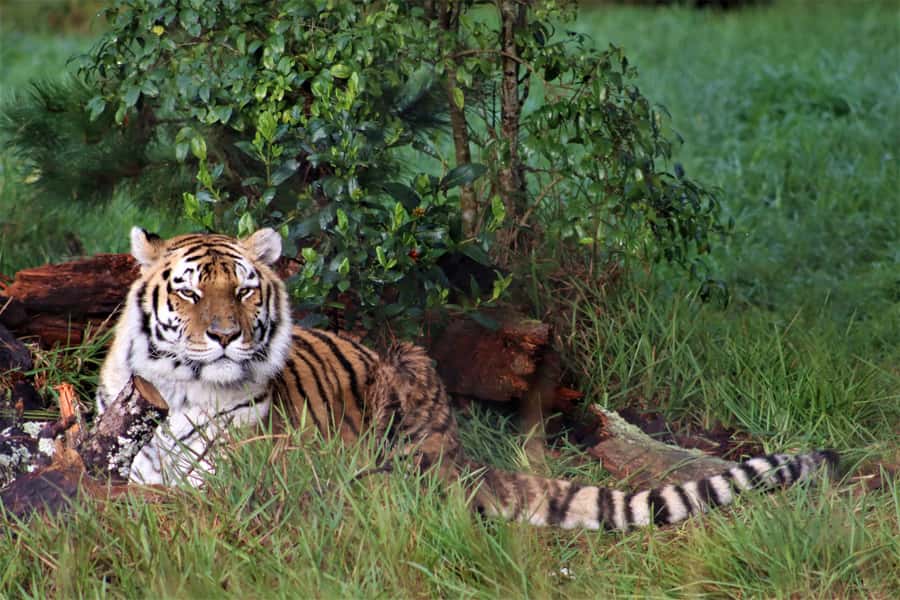
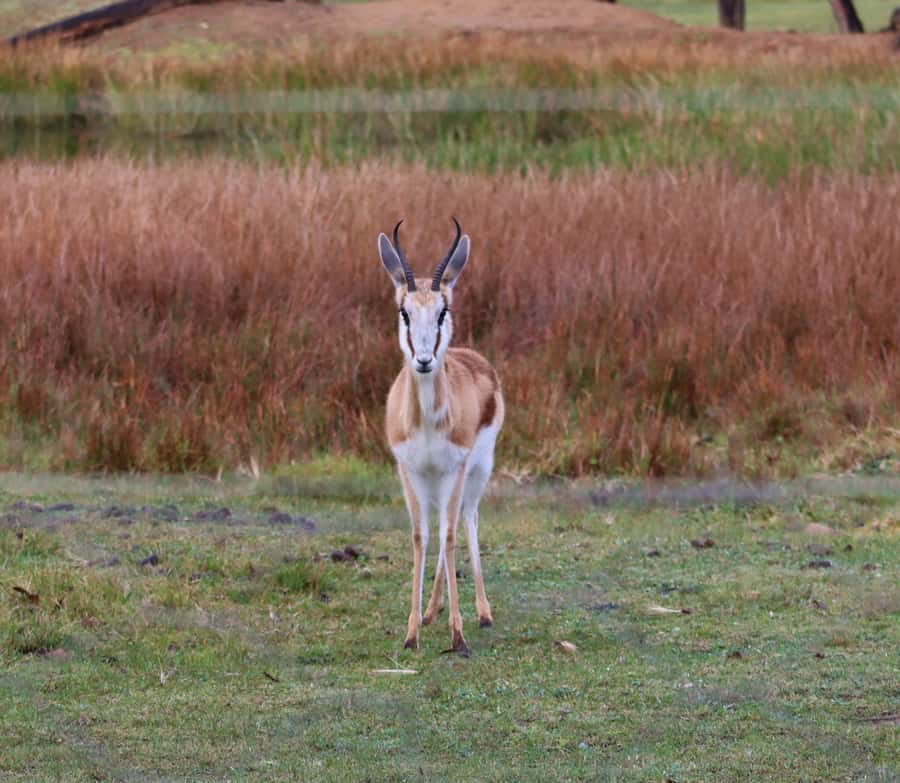
Jukani shifts the focus from forest groups and flying birds to large carnivores. The sanctuary is home to lions, tigers, leopards, jaguars, cheetahs, and pumas, along with animals such as raccoons, a honey badger, caracals, zebras, springboks, and spotted hyenas.
The animals have been rescued or rehomed from facilities that could no longer care for them. At Jukani, habitats are designed around the needs of individual animals, and the stated goal is to keep them free from exploitation and unnecessary human interaction.
The 90-minute walking safari is guided in English. Your guide helps you understand the animals and the problems behind their rescue, rather than reducing the visit to a checklist of famous species. That context gives the sanctuary its strongest educational value.
You may see a tiger resting, a lion moving through its habitat, or a cheetah showing the quick, alert behavior that makes it such a remarkable predator. Pumas are particularly interesting because of their climbing ability, while spotted hyenas provide a reminder that predators are not limited to the familiar big-cat lineup.
Jukani can feel less naturalistic than Monkeyland and Birds of Eden, especially around the large game. That is worth keeping in mind. This is a sanctuary visit, not a safari in a wild national park, and the animals remain in managed habitats where their safety and care come first.
I would bring a hat, especially for children. Binoculars can also help, though they are not necessary. As at Monkeyland, you must not touch the animals. The best photographs usually come from waiting quietly and watching behavior instead of trying to force an interaction.
Jukani suits visitors who want to see large cats but also want the visit framed around rescue and long-term care. It is a strong match for families with older children, wildlife fans, and people who want to think more carefully about captive animal facilities.
A different side of Plettenberg Bay altogether:
- Plettenberg Bay: Whale Watching Boat Cruise
★ 4.4 · 362 reviews - Plettenberg Bay: Canyoning Trip
★ 4.9 · 353 reviews - Plettenberg Bay Game Reserve: 2-Hour Game Drive
★ 4.2 · 267 reviews - Short Canyoning Trip in The Crags
★ 5.0 · 221 reviews
How to plan one day or three
If you have only a few hours, choose the sanctuary that best matches your interests. Monkeyland is the obvious choice if primates are your priority. Birds of Eden works well if you prefer an unhurried walk with birds and forest views. Jukani is the pick for big cats and predator conservation.
With one full day, you can combine sanctuaries, but do not assume you will see every animal at every stop. The sanctuaries invite different speeds, and rushing through Birds of Eden or arriving late for a guided tour would weaken the experience.
A two-day plan gives you more breathing room. You can pair Monkeyland with Birds of Eden on one day, then visit Jukani on the next. This lets you give the forest and aviary enough time without making the day feel like a race between attractions.
The full one-to-three-day validity is useful if your schedule allows it. You can spread out the visits and adjust to weather, energy, and opening times after checking availability. Starting times vary, so confirm the details for your chosen option before you set out.
Because there is no hotel transfer, this plan works best if you have your own way to reach the sanctuaries. Food and drinks are not included, so bring what you need or plan a meal stop separately. The supplied details do not specify dining arrangements at each site, so do not assume refreshments are part of the ticket.
Who gets the best value here
The $23 starting price is reasonable for a single sanctuary, particularly when you consider the guided tours at Monkeyland and Jukani. The real value improves when you choose a combination ticket, since the cost per sanctuary is lower.
Families can build the day around different interests. Younger children may respond most strongly to the monkeys and birds, while older children may appreciate the cats and the conservation message at Jukani. The suspension bridge adds a memorable physical feature to the Monkeyland visit.
Photographers will find variety across the three sites. Monkeyland offers movement in the forest and canopy views. Birds of Eden gives you flight, color, and a waterfall setting. Jukani provides powerful portraits of large predators, although animals may be farther away or less active when you visit.
This is also a good choice for visitors who prefer animal sanctuaries over entertainment based on touching or handling wildlife. The no-touch rule is clear, and the sanctuaries focus on giving rescued animals permanent homes.
You should think twice if your main goal is a free-ranging safari. None of these stops promises wild animals moving through an unfenced national park. Jukani, in particular, may feel managed and less natural than the forest settings at Monkeyland and Birds of Eden.
Practical details that can shape your visit
Wear comfortable shoes. You will walk at all three sanctuaries, and sandals are less useful than supportive footwear, especially if you plan to take your time.
Bring binoculars for Birds of Eden and Jukani if you have them. They are helpful for animals or birds farther along the path, but the visit does not depend on carrying specialist equipment.
English is the standard tour language at Monkeyland and Jukani. French support is available at Monkeyland with 48 hours’ advance notice. A French guide at Birds of Eden can also be organized with the same notice, though the normal visit is self-guided.
The activity is listed as wheelchair accessible, but each sanctuary has its own paths, walkways, and natural features. If you need specific access information, confirm the details for your selected option before booking.
Free cancellation is available up to 24 hours before the activity for a full refund. You can also reserve now and pay later, which helps if your Garden Route schedule is still changing.
The experience has an overall rating of 4.7 from 106 ratings. The strongest themes are the lively Monkeyland guide experience, the chance to see primates close to the path, and the quality of the Birds of Eden visit. Keep the Jukani qualification in mind: it is well organized, but its large-animal habitats can feel less natural.
Should you book Monkeyland, Birds of Eden, and Jukani?
Book this experience if you want a flexible wildlife day with three distinct stops and a clear rescue message. I would choose at least Monkeyland and Birds of Eden for the best blend of natural setting, animal variety, and independent exploration.
Add Jukani if large cats are high on your list, but go with the right expectations. You are visiting a managed sanctuary rather than a wild safari, and the animal habitats may feel more controlled.
If you have time, the combination ticket is the sensible buy. Wear proper shoes, reserve French guiding well ahead, bring binoculars if you own them, and give Birds of Eden more time than its simple walk length might suggest.
FAQ
How many sanctuaries can I visit?
You can choose Monkeyland, Birds of Eden, Jukani Wildlife Sanctuary, or all three. Options are valid for one to three days, depending on the booking.
What is included at Monkeyland?
Monkeyland includes a one-hour guided tour with a primate guide. Tours are normally conducted in English.
Is Birds of Eden guided?
Birds of Eden is normally explored independently. An English-speaking guide can be arranged with at least 48 hours’ notice and an arrival time.
Are French guides available?
French guiding can be arranged at Monkeyland and Birds of Eden with at least 48 hours’ advance notice. There is no additional charge for the language-specific guide.
What animals live at Monkeyland?
Monkeyland is home to more than 550 apes, monkeys, and lemurs living in a 12-hectare indigenous forest.
How many bird species are at Birds of Eden?
Birds of Eden is home to 220 species and subspecies, with more than 3,500 birds in the free-flight aviary.
What animals can I see at Jukani?
Jukani has lions, tigers, leopards, jaguars, cheetahs, pumas, spotted hyenas, caracals, a honey badger, raccoons, zebras, and springboks.
How long is the Jukani tour?
The guided walking safari at Jukani lasts about 90 minutes.
Is food included?
No. Food and drinks are not included in the activity price.
What should I bring?
Bring comfortable walking shoes. A hat is advised at Jukani, especially for children, and binoculars can be useful at Birds of Eden and Jukani.
Just listed around Plettenberg Bay
- eBike Tours★ 5.0 · 5 reviews
- Plettenberg Bay: 2-Hour Surf Lesson★ 4.9 · 8 reviews
- 2 Night Tenikwa Experience★ 5.0 · 9 reviews
- Cats in Conservation★ 5.0 · 10 reviews
- The Private Wildlife Tour★ 4.5 · 12 reviews
- Birds of Eden Admission Ticket★ 4.5 · 15 reviews
- 1.5-Hour Seal Viewing Boat Tour in Plettenberg Bay★ 4.5 · 16 reviews
- Plettenberg Bay: Seal Viewing Boat Trip★ 4.8 · 16 reviews
Garden Route Tours, compared.
Addo Elephant National Park All Inclusive Full-Day Safari
Read our review →
Storms River: Tsitsikamma National Park Zipline Canopy Tour
Read our review →
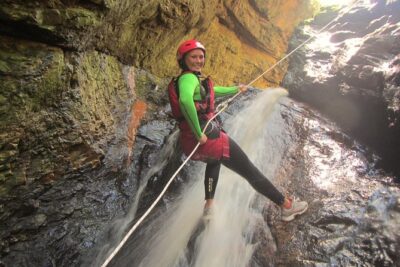
Standard Canyoning Trip in The Crags, South Africa
Read our review →Browse the lists this tour appears in