
Reviewed · PHOTOGRAPHY SESSIONS
Plettenberg Bay: Private Guided Wildlife Photography Tour
The best part of this Tenikwa tour is the chance to photograph South Africa’s wild cats without being hurried along in a large group. You may enter selected enclosures when it is safe, search for a camouflaged leopard, and watch the animals from walkways designed for close viewing. I especially like the private format and the patient pace. You also get a real chance to ask questions about conservation, rather than simply snap a picture and move on.
The main consideration is that Tenikwa is a working rehabilitation and awareness center, not a safari park with a fixed animal list. What you see depends on the animals in its care at the time. You cannot touch or feed the animals, selfie sticks are banned, and hotel transport is not included, so you need to drive to the center near Plettenberg Bay.
Key points at a glance
- Private photography time: A private group means you can take your time composing photographs without someone walking through your frame.
- Several South African wild cats: The route can include white lions, cheetahs, leopards, caracals, and servals.
- Meerkats with a difficult past: The Meerkat Meander is home to confiscated meerkats that cannot return to ordinary private ownership.
- Personal conservation discussion: Your guide explains the animals and the center’s work as you walk.
- Safe enclosure access: You may enter some enclosures, but touching and feeding wildlife are never allowed.
- A second look: After the main tour, you can revisit one part of the program, a useful bonus for photographers.
Why the private format matters for photography
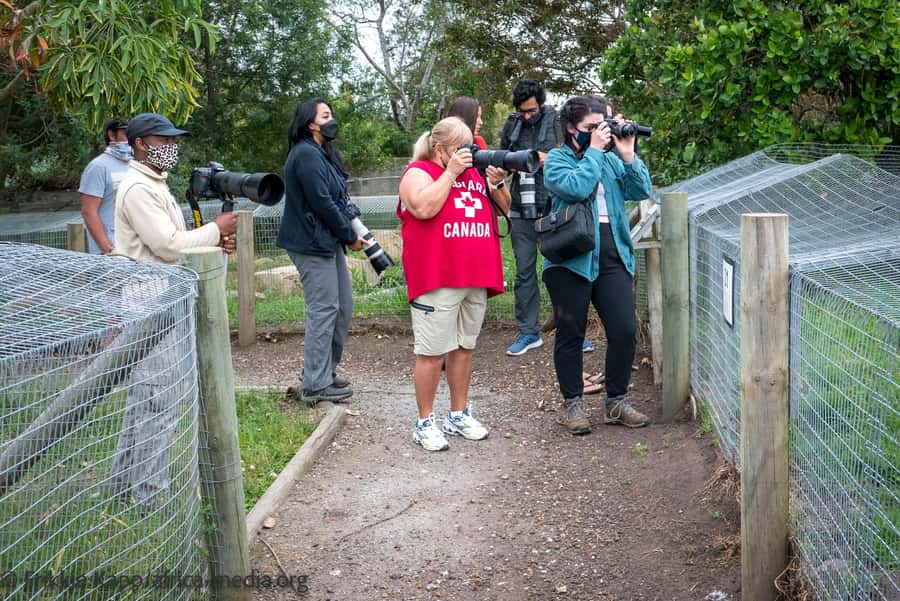
Wildlife photography needs time. An animal turns its head, the light changes, or a leopard disappears behind cover just as you raise your camera. On a standard group visit, you may have to move on. Here, the private setting gives you room to wait and ask your guide to explain what you are seeing.
That does not guarantee a perfect photograph. Animals are not performers, and the center’s work comes first. Still, the format is well suited to anyone who cares more about a few good images than a quick checklist of species.
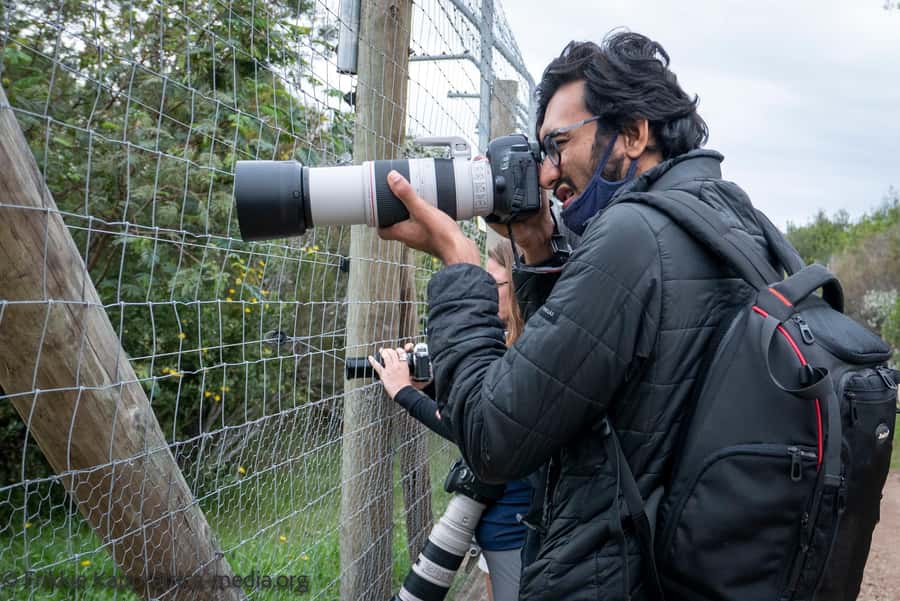
You can bring a camera, but leave the selfie stick in your vehicle. No posing with wildlife is permitted, and you must not touch or feed the animals. These rules are important. Close viewing is offered within a controlled setting, but the cats remain animals, not photo props.
The tour costs about $41 per person. For that price, you receive admission, a private guide, and the option to revisit one section afterward. I consider that fair value for a private wildlife experience lasting roughly two to two and a half hours, especially if photography is your main goal. It is less compelling if you only want a broad introduction to local animals and do not care about the private pace.
More Wildlife Tours in South Africa:
- Cape Town: Marine Wildlife Tour from the V&A Waterfront
★ 4.6 · 1,118 reviews - Big Five Game Reserve Wildlife Safari from Cape Town
★ 4.0 · 576 reviews - From Cape Town: South African Wildlife and Safari 2-Day Tour
★ 4.7 · 411 reviews
Starting at Tenikwa near Plettenberg Bay
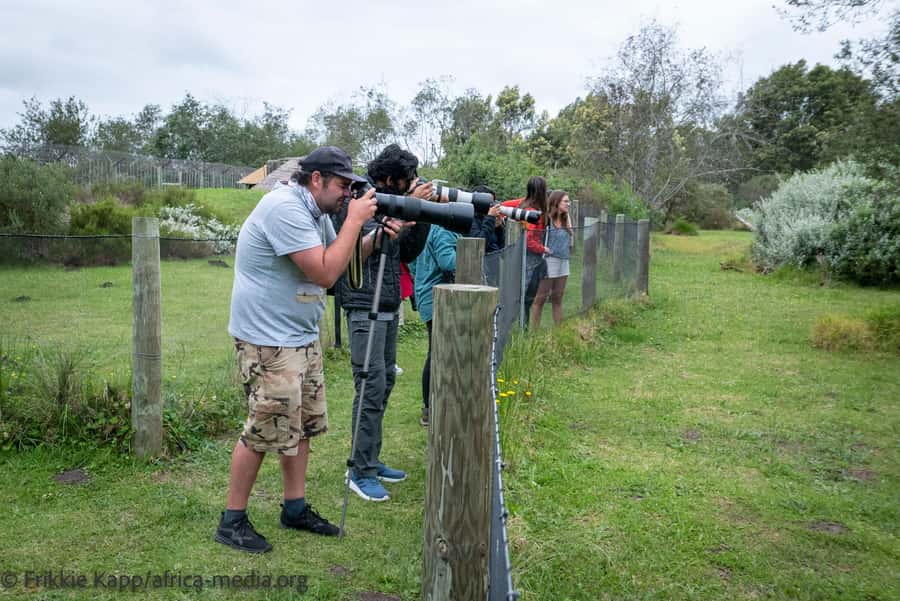
You make your own way to Tenikwa Wildlife Rehabilitation & Awareness Center. From the N2, follow the sign for Tenikwa, Monkeyland, and the Elephant Sanctuary. At Animal Alley, keep left toward Tenikwa, pass Kurland Village, then keep right at the fork and continue to the entrance.
Check in at Tenikwa Reception and arrive 15 minutes early. Parking is available there. The instructions also ask you to lock valuables and backpacks in your vehicle, so bring only what you need for the walk and keep your camera equipment secure.
The center is wheelchair accessible, but the experience includes walking through animal areas and along elevated walkways. If mobility is a concern, confirm how the current route works when you arrive. Comfortable shoes, a sun hat, and sun protection are sensible choices in the Western Cape weather.
Your guide begins with a short safety briefing. This is not empty routine. You learn the basic rules for moving around the enclosures, using cameras responsibly, and keeping a proper distance from the animals. The guide also introduces Tenikwa’s conservation work and shows an educational video before the animal viewing begins.
The Meerkat Meander and Tenikwa’s purpose
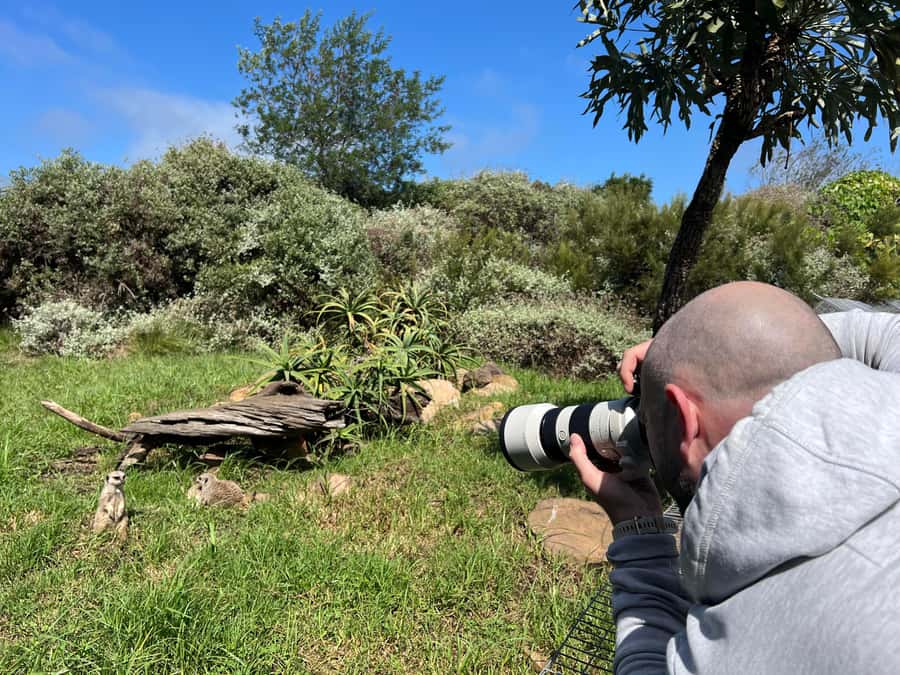
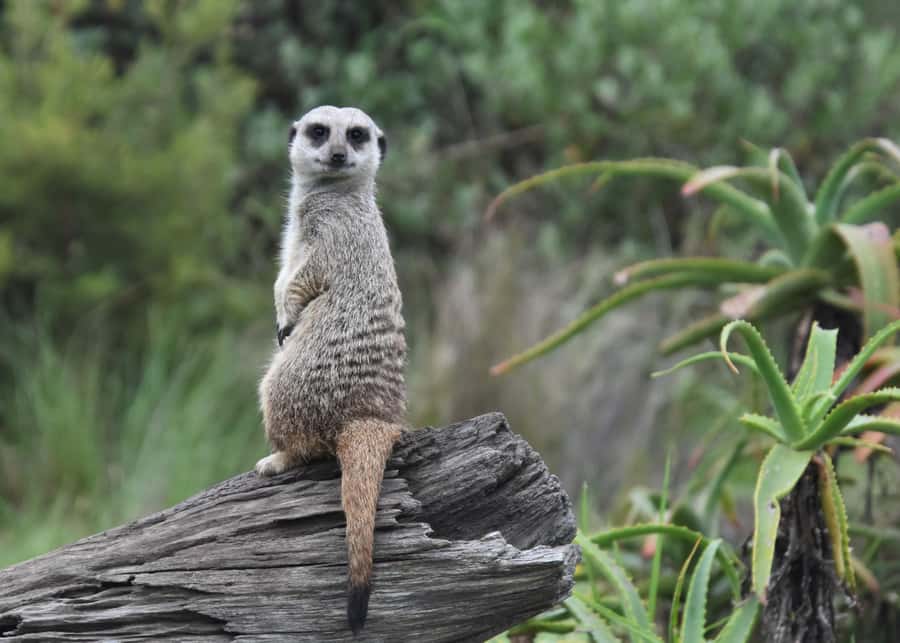
The first animal stop is the Meerkat Meander. These meerkats were confiscated and now have a permanent home at the center. That detail gives this stop more weight than a simple cute-animal encounter.
The point is not to see meerkats in a staged performance. It is to understand why some animals cannot be returned to the wild or kept as private pets. Your guide can connect the animals in front of you with wider conservation problems, including the human choices that put wildlife in trouble.
For photographers, meerkats can be lively and quick, so watch your camera settings and be ready. The private group helps here because you do not have to compete with a crowd for every angle. Still, keep your expectations sensible. The center cannot promise a particular pose or behavior.
Finding a leopard in the walkway
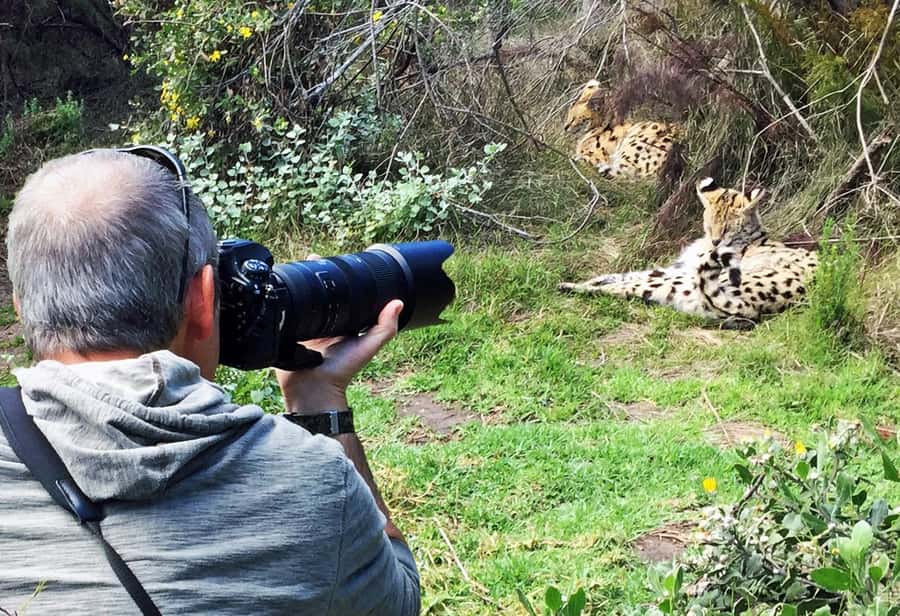
The leopard section asks you to look carefully. Leopards are well camouflaged, and the experience includes searching for the animal rather than being pointed immediately to an obvious viewing spot.
That makes this a good lesson in how much wildlife can hide in plain sight. Your guide can help you locate the leopard and explain the animal’s habits, markings, and place among South Africa’s predators. The quiet search also suits photography. Once you find the cat, you may have time to wait for a clear view instead of rushing past.
This is one area where a private tour can feel very different from a large group visit. You can ask for help spotting the leopard, then take photographs at your own pace. On the other hand, the cat may remain partly hidden. If you need guaranteed full-body images, no wildlife center can promise that.
More photo sessions in South Africa:
- Cape Town: Atlantis Dunes Quad Bike Tour and Photo Session
★ 4.5 · 322 reviews - Quad Bike Adventure @ Atlantis Dunes+Photo Session
★ 4.5 · 104 reviews - 1 Hour Cape Town Bo Kaap Photoshoot Experience
★ 5.0 · 61 reviews - Private Surf Lesson in Cape Town – Transport & Photos Included
★ 5.0 · 50 reviews
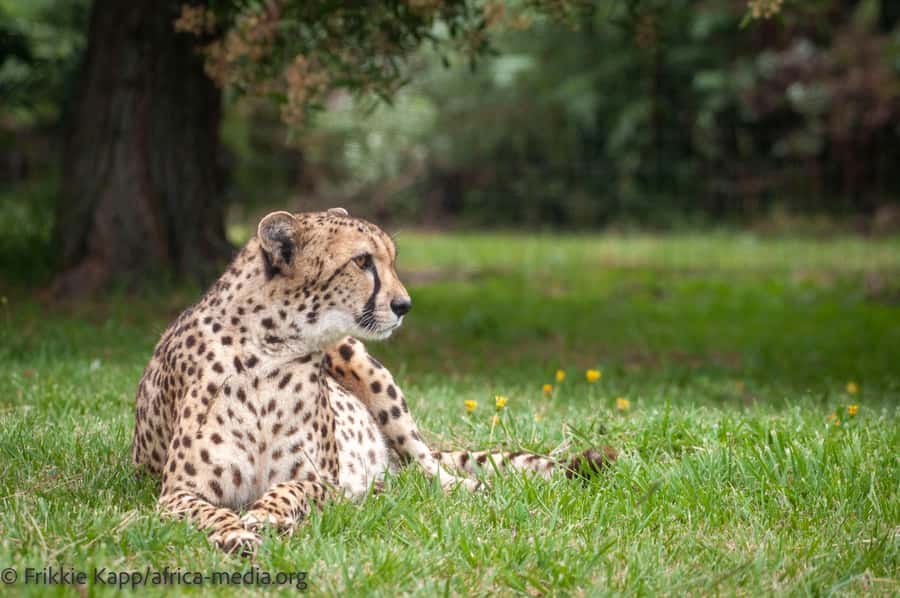
Cheetahs and the pressure on wild populations
The cheetah stop brings the conservation message into sharper focus. Your guide explains that cheetah numbers are diminishing in the wild, giving you a chance to connect a beautiful animal with the serious pressures it faces.
The value here is the conversation. You are not only looking at a cheetah through a fence. You are learning why protection and public awareness matter, and how a rehabilitation center fits into that work. Ask questions as they occur to you. The tour is designed for discussion, and the private format makes it easier to spend longer on subjects that interest you.
Cheetahs may also offer strong photographic opportunities, but the same rule applies as with every animal on the route: conditions vary. This is a living facility, so the exact viewing experience depends on the animals being cared for at the time.
White lions, caracals, and servals
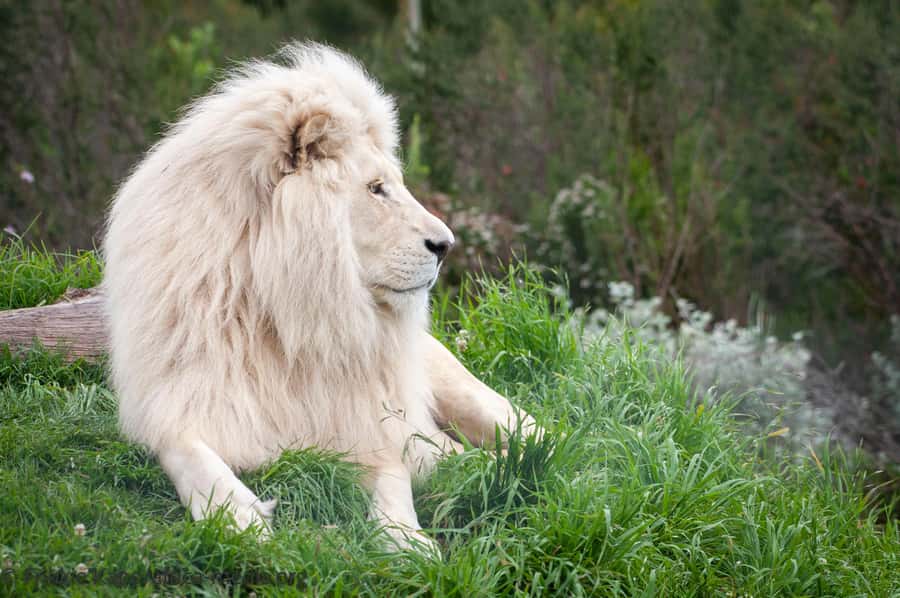
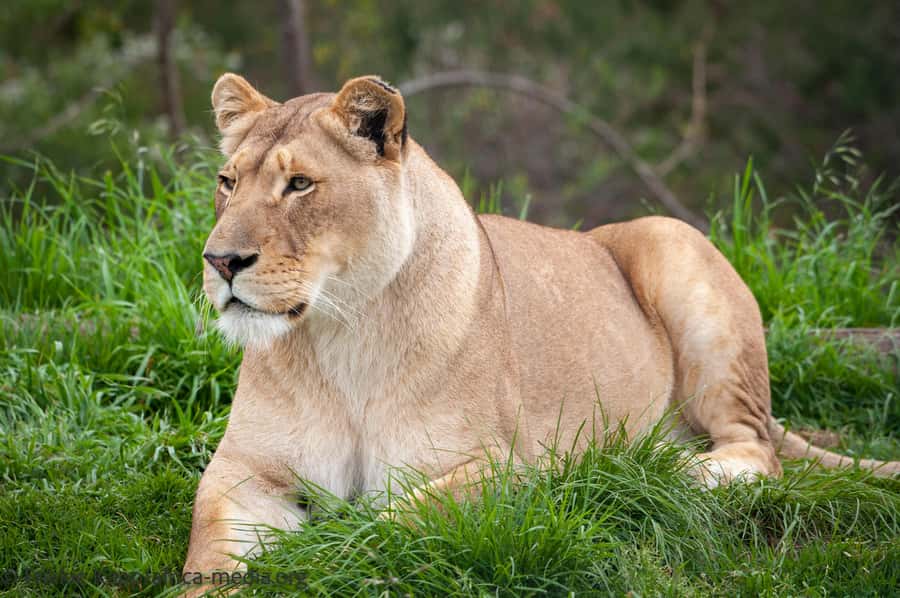
The cat viewing continues with white lions, caracals, and servals. Each has a different look and scale, which keeps the photography varied. You may move from a large, striking white lion to smaller cats with very different body shapes and habits.
The caracal and serval are particularly useful subjects for anyone interested in the less familiar wild cats of South Africa. Their presence broadens the tour beyond the familiar big-cat photo. Your guide explains the animals as you go, so you can learn to distinguish species instead of treating every cat as simply another picture.
The white lion is saved for a memorable final viewing from the lion walkway high above the enclosure. That elevated route gives you a different angle and helps you watch the animal without entering its space. It also brings the tour to a strong finish, particularly if you enjoy photographing large cats from varied viewpoints.
Do not expect a hands-on encounter. You may be allowed inside some enclosures when the staff considers it safe, but no touching is allowed. This boundary is good for both animal welfare and your own safety.
The life-enrichment activity
One part of the visit involves a life-enrichment exercise with non-releasable animals. The purpose is to give the animals stimulation and activity suited to their situation.
For you, this is a useful chance to see that responsible care involves more than food and a clean enclosure. Animals that cannot return to the wild still need appropriate mental and physical engagement. Your guide can explain how the exercise relates to the animals’ daily care.
The phrase non-releasable matters. These are not animals being prepared for an immediate return to their natural habitat. The center’s role includes caring for animals that need a permanent home, and this activity helps you understand that distinction.
Time for questions, coffee, and a second look
The pace includes a short break, coffee, and local snacks. Treat this as a practical pause rather than a full meal. Food and drinks are not included as part of the tour, so do not arrive expecting lunch.
There is also time for a photo stop and wildlife viewing, followed by an opportunity to browse the shopping area. The shop can be useful for a small souvenir, but it is not a reason to book the experience. The animals and the guide-led education are the main value.
After the tour, you can revisit one favorite section. Photographers should make use of this option. Your first pass may be spent listening and learning, while the second look lets you concentrate on images. You might choose the leopard walkway if the cat was hidden, or return to the white lion for another angle.
This revisit option also softens the pressure of the schedule. You do not have to make every photograph on the first encounter. Just remember that the exact opportunity depends on the center’s current arrangements and animal welfare rules.
What the guide adds
A good guide is central to this experience. Davidson is one guide associated with especially strong visits, and the key quality to look for is his ability to explain the facility while allowing ample time for photography. The tour description promises an English-speaking live guide, but the individual leading your visit may vary.
You should expect more than a series of names and facts. The guide introduces the center’s conservation work, explains the species you see, and discusses the problems facing wild cats. Use the private setting to ask direct questions about why animals are at Tenikwa and what makes an animal suitable, or unsuitable, for release.
The guide also controls the safe parts of the experience. Follow instructions around every enclosure, even if an animal appears calm. Close proximity does not mean contact, and no photograph is worth breaking the rules.
Who will get the most from this tour?
I would choose this tour for:
- Wildlife photographers who want time to frame shots without a large group in the way.
- Families or couples who prefer a private pace and direct access to a guide.
- People curious about South African wild cats beyond the usual lion and cheetah picture.
- Visitors who want conservation context along with animal viewing.
- Anyone staying near Plettenberg Bay with their own transport.
It may be less suitable if you want an open-country safari. This tour takes place at a rehabilitation and awareness center, not on a game reserve. You also need to accept that the animal collection can change and that a well-camouflaged or resting cat may not offer the photograph you hoped for.
The duration is listed as about two hours, with the full schedule reaching roughly 150 minutes once the break, coffee, photo stop, and shopping time are included. Plan around two and a half hours rather than trying to squeeze it into a tight gap.
Practical advice before you book
Wear comfortable walking shoes and clothing that suits the weather. A sun hat and sun protection lotion are advised. Keep your equipment manageable, since you will be walking and must leave backpacks and valuables locked in your vehicle.
Arrive 15 minutes before your start time. The tour is offered in English, and the group is private. It is wheelchair accessible, but because the route includes walkways and animal areas, ask the center for current access details if you need specific assistance.
You can cancel up to 24 hours before the start for a full refund, and the reserve-now, pay-later option keeps your plans flexible. Starting times vary, so check availability before building the visit into your day.
Should you book the Tenikwa photography tour?
Book it if your priority is close, respectful wildlife viewing with time for photographs and conversation. The private group, safe access to selected enclosures, conservation discussion, and second-look option give the $41 price real value.
Skip it if you want a completely wild safari, guaranteed sightings, or a hands-on animal encounter. Tenikwa’s strength is its educational rehabilitation work, and the animals are not there to perform. For a photographer or wildlife enthusiast near Plettenberg Bay, that honest approach is precisely the reason to go.
FAQ
Where does the tour start?
The tour starts at Tenikwa Wildlife Rehabilitation & Awareness Center. Follow the N2 turnoff marked Tenikwa, Monkeyland, and Elephant Sanctuary, then follow the Tenikwa signs to Reception.
How long does the experience last?
The tour is approximately two hours, while the full schedule is listed as up to 150 minutes including the break, coffee, photo stop, and shopping time.
Is hotel transportation included?
No. Hotel pick-up and drop-off are not included. You must make your own way to Tenikwa, where parking is available at Reception.
What animals can I photograph?
The experience can include meerkats, leopards, cheetahs, a white lion, caracals, and servals. As a working rehabilitation center, the animals available for viewing can vary.
Can I touch or feed the animals?
No. Touching and feeding wildlife are not allowed. You also cannot pose with the animals.
Can I bring my camera?
Yes. Cameras may be taken on the tour. Selfie sticks are not allowed, and you must follow all instructions about safe photography.
Is the tour private and what language is offered?
Yes. It is a private group experience with a live English-speaking guide.
Can I revisit an animal area after the tour?
Yes. After the main tour, you have the option to revisit one part of the program.
Just listed around South Africa
- Constitutional Hill and Soweto 5 hours tour.★ 5.0 · 5 reviews
- Cape Town: Inspiring sustainable change through Street Art★ 4.9 · 5 reviews
- SandBoarding in Capetown + PhotoShoot★ 4.0 · 5 reviews
- Cape Town Tandem Paragliding Square 1 Paragliding★ 5.0 · 5 reviews
- Township Experience – Port Elizabeth★ 5.0 · 5 reviews
- Cape Town: Full-Day Private Peninsula Tour★ 3.6 · 5 reviews
- Hazyview : Full Day Panorama Tour★ 4.8 · 5 reviews
- Schotia: Open Safari Jeep – Full Day Safari with Lunch★ 5.0 · 5 reviews
Photography Sessions, compared.
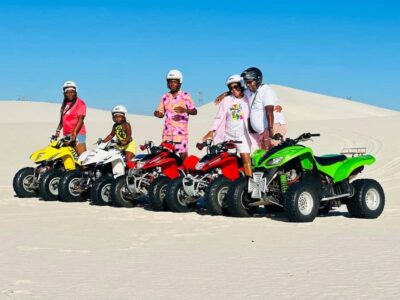
Atlantis Dunes Quad Bike Tour and Photo Session
Read our review →
Quad Bike Adventure @ Atlantis Dunes+Photo Session
Read our review →
Private Surf Lesson in Cape Town – Transport & Photos Included
Read our review →
Cape Town Sand Dunes ATV Quad bike tour & PHOTOS
Read our review →Browse the lists this tour appears in