
Reviewed · DURBAN TOURS
From Durban: Isandlwana Rorkes Drift Battlefields Day Trip
The Anglo-Zulu War battlefields north of Durban are not quick sightseeing stops. They are broad, quiet places where the ground, memorials, and museum displays help you follow two dramatic battles fought within days of each other. Isandlwana shows how a larger Zulu force overwhelmed a badly placed British column. Rorke’s Drift shows the desperate defence that followed.
I like two things here: the route links the battles into one clear story, and the guides make a long drive useful rather than wasted. Guides including Thami, Bafana, and Aaron have been praised for strong historical explanations, courteous service, and careful driving. The drawback is simple: 14 hours is a full day, and the return trip to Durban can feel tiring even with good countryside views.
Key points to know before booking
- Isandlwana comes first: See the battlefield and museum connected with the British defeat on 22 January 1879.
- Rorke’s Drift completes the story: Visit the mission station where British troops defended themselves after Isandlwana.
- The drive is part of the day: You spend many hours on the road between Durban and northern KwaZulu-Natal.
- Guiding matters here: Thami, Bafana, and Aaron have each been praised for clear explanations and helpful service.
- Lunch and drinks are extra: Bring money, water, sunscreen, and comfortable shoes.
- Check the entry-fee wording: The booking information says entry fees are included, but also says the Isandlwana fee is not included.
Why these battlefields matter
This is a history tour, but it does not take place in a city museum. The key sites are spread across the north of KwaZulu-Natal, so you see open country between the stops and gain a better sense of distance and isolation. That setting matters. Military events can seem tidy on a map, while the actual ground shows how exposed the troops were and how difficult communication must have been.
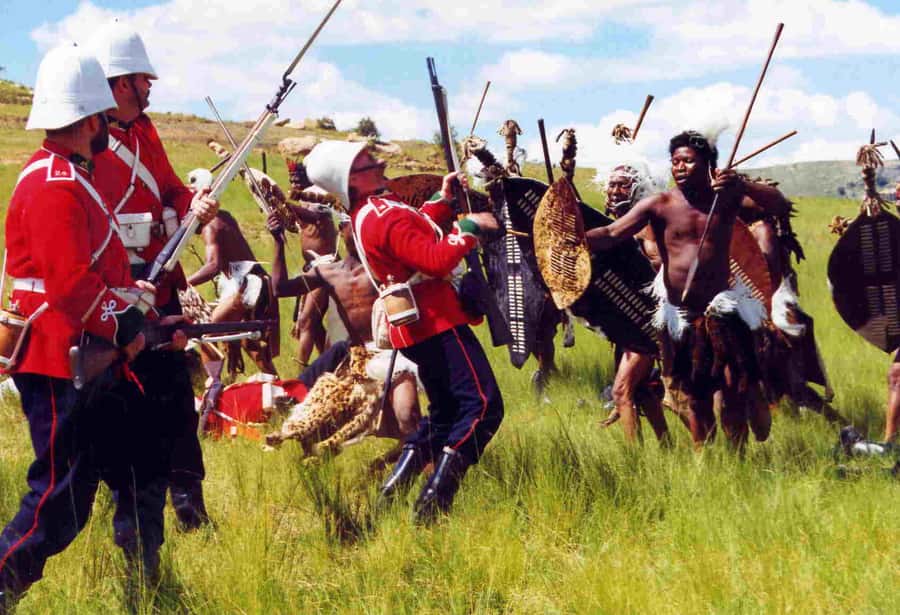
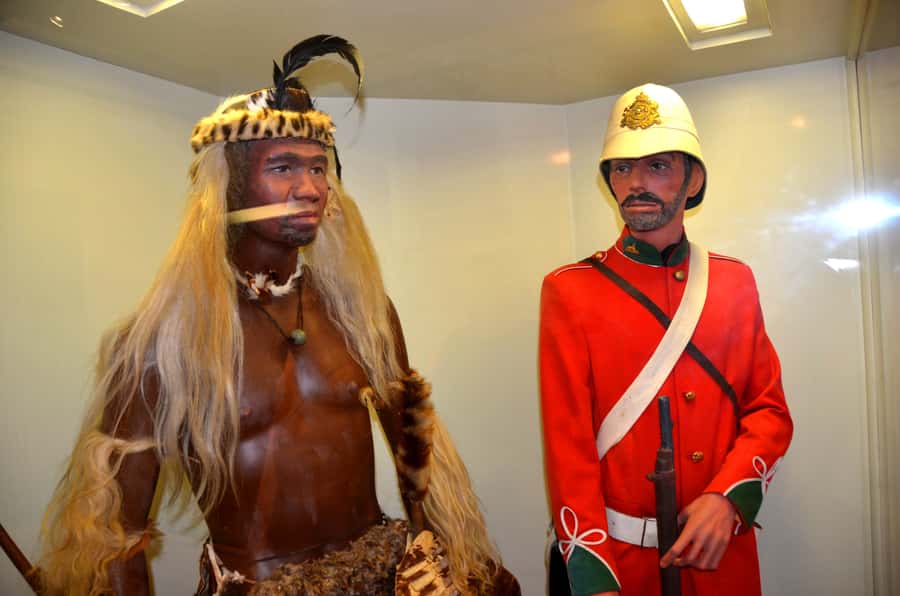
The Battle of Isandlwana took place on 22 January 1879, eleven days after the British began their invasion of Zululand. A Zulu force of about 20,000 warriors attacked part of the British main column, which included roughly 1,800 British, colonial, and local troops, as well as perhaps 400 civilians.
The Zulu army relied mainly on iron assegais and cow-hide shields. Some fighters had muskets or old rifles, but they were not formally trained in their use. The British had a major weapons advantage, yet poor deployment and weak leadership left them vulnerable. The result was a major Zulu victory and one of the most famous defeats in British military history.
You do not need to arrive as a military expert. The value of a guide is that the visit can turn names and dates into a sequence you can follow. At Isandlwana, you can think about the British camp, the attack, the uneven weapons, and the sheer scale of the Zulu force. At Rorke’s Drift, the story changes from a lost position to a small defensive action that continued into the next day.
More day trips in Durban:
- From Richards Bay: Hluhluwe Imfolozi Game Reserve Day Trip
★ 3.5 · 15 reviews - From Durban: Hluhluwe Imfolozi Game Reserve Day Trip
★ 4.5 · 13 reviews - Full day – Hluhluwe Imfolozi Game Reserve 1 Day Tour From Durban
★ 4.5 · 10 reviews
The long road north from Durban
Pickup is available from hotels and accommodation within 5 kilometres of the local supplier’s office at the Gooderson Tropicana Hotel on South Beach. Pickup can also be arranged from the harbour passenger terminal. If you are staying farther away, contact the operator before booking rather than assuming a door-to-door transfer.
The drive is a major part of the experience. The tour lasts about 14 hours, so you should treat it as a full-day excursion rather than a relaxed half-day outing. Past passengers have found the drive long but worthwhile, with attractive countryside along the way. A careful driver matters on a day like this, and Aaron in particular has been praised for handling the driving while also guiding.
I would bring water, sunscreen, and shoes that you can walk in comfortably. The supplied advice also calls for comfortable clothes. Lunch and drinks are not included, so plan for those costs and do not rely on the tour price to cover every expense.
Isandlwana and the British defeat
Isandlwana is the emotional and historical centre of the day. You visit the battlefield and museum, where the information is gathered into a more structured account of the Anglo-Zulu War. The museum helps you place the battle in time, while the open site gives the event physical scale.
The central fact is stark. A large Zulu force attacked a British position that had a major advantage in firearms, yet the British force was poorly led and badly deployed. The Zulus overwhelmed it. That outcome makes Isandlwana more than a simple tale of numbers. It shows how organization, positioning, leadership, and local conditions can matter as much as technology.
The stop is also a useful reminder to avoid viewing the battle only through the British military record. The Zulu fighters were not simply an untrained crowd with spears. Their force was large and organized enough to defeat a modern imperial army unit under the right conditions. A good guide can help you understand both the Zulu victory and the British mistakes without reducing the event to a simple good-versus-bad story.
The museum is especially helpful if you do not already know the campaign. It gathers the names, dates, and military details in one place. You can then return to the field with a clearer idea of what happened. Give yourself time to listen, ask questions, and look closely rather than rushing through for photographs.
One practical warning deserves attention. The activity details say that all entry fees are included, but the additional information says the Isandlwana fee is not included. That is a genuine inconsistency. Ask the local operator to confirm the current arrangement before you pay, so you know if a small extra charge is needed.
Rorke’s Drift and the night defence
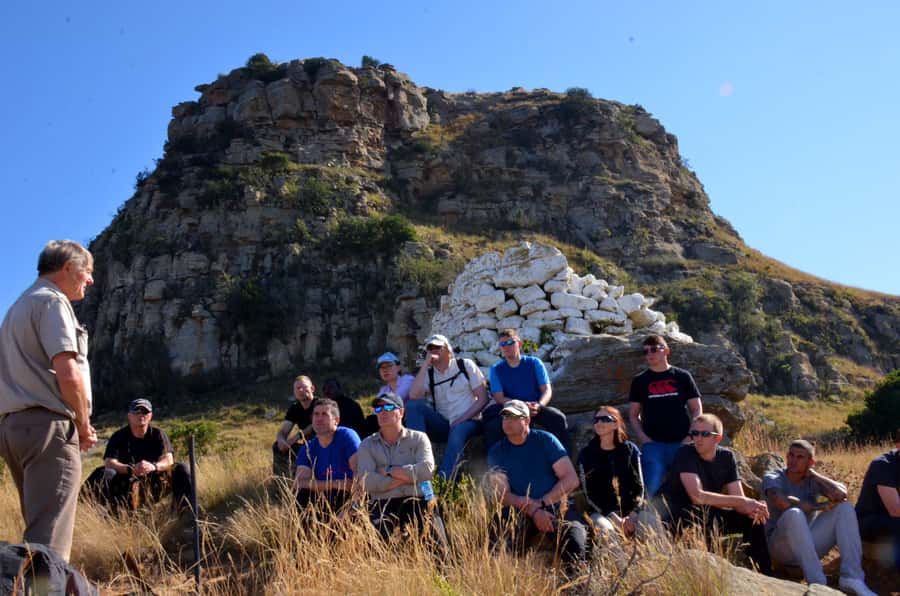
The tour then moves to Rorke’s Drift, also called the Defence of Rorke’s Drift. This mission station became the scene of a British defensive action immediately after the defeat at Isandlwana. The fighting began on 22 January 1879 and continued into the following day.
The contrast between the two sites gives the itinerary its shape. Isandlwana is associated with a large British defeat in the open. Rorke’s Drift is associated with a smaller group trying to hold a mission station against attack. Seeing both in one day lets you understand why the second battle became so important in British military memory, especially so soon after the first.
I would listen for how your guide explains the relationship between the two events. The dates are close, but the military situations were very different. That connection is what makes this more than a series of unrelated historic sites.
Rorke’s Drift may appeal most if you have read about the Anglo-Zulu War or seen fictional versions of the battle. Even without that background, the visit gives you another way to think about command, defence, fear, and endurance. Just keep your expectations grounded. This is a battlefield and heritage visit, not a staged performance. The experience depends on the site, the museum material, and the quality of your guide’s explanation.
A few more Durban days worth comparing
- Durban: 30-Minute Harbor Boat Cruise
★ 4.7 · 665 reviews - Durban: 1-Hour Boat Cruise from Wilson’s Wharf
★ 4.7 · 496 reviews - Durban Point Waterfront: Luxury Canal Boat Cruise
★ 4.4 · 298 reviews - Durban: Pontoon Boat Harbor Cruise
★ 4.4 · 182 reviews
Fugitives Drift and the Queen’s Colours memorial
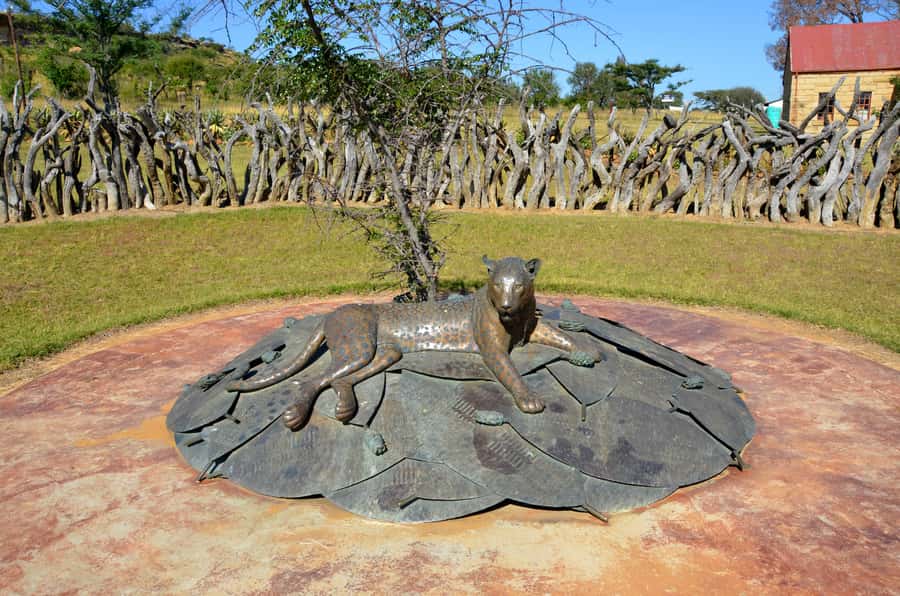
The final stop is Fugitives Drift and the Queen’s Colours memorial before the return to Durban. These places extend the story beyond the two main battlefields. The memorial gives the day a quieter closing point and helps you reflect on the people caught up in the campaign.
By this stage, you may be tired. That is not a reason to dismiss the stop, but it is worth knowing that the final visit comes after a full day of driving and historic sites. If you are especially interested in military history, you may find the added memorial stop valuable. If you prefer a slower pace, the schedule may feel packed.
I like the order of the route. Isandlwana introduces the major defeat, Rorke’s Drift shows the defence that followed, and Fugitives Drift and the Queen’s Colours memorial give you time to consider the wider human cost. The itinerary does not try to pad the day with unrelated attractions.
What the $198 price really covers
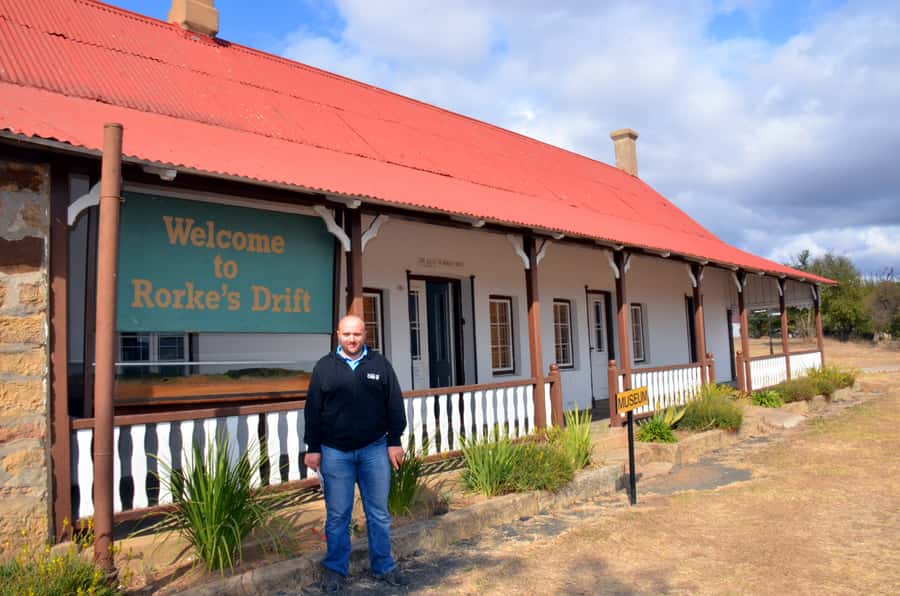
At about $198 per person, this is not a cheap day out. The price makes more sense if you value private transport, a full-day route, entry arrangements, and a live guide who can explain sites that are difficult to understand from signs alone.
Transport is important here. Reaching these battlefields from Durban requires a long round trip, and arranging the route yourself could be awkward if you do not have a rental car. The tour removes much of that work and links several sites in one day.
Still, the price does not cover lunch or drinks. A specialised guide or qualified historian can be requested for an extra fee. That option may suit serious students of the war, military historians, or anyone who wants a more technical discussion than a standard sightseeing guide provides.
The strongest value comes from the guiding. Names praised for their service include Thami, Bafana, and Aaron. Thani is also identified as an excellent guide in one account, so confirm the assigned guide when possible because the name may appear in different spellings. The common thread is clear: a polite guide who can explain the history and manage the long drive makes a real difference.
Who should take this day trip
I would recommend it most strongly to:
- People with a serious interest in the Anglo-Zulu War
- Visitors who want to see historic sites beyond Durban
- Readers who already know the names Isandlwana and Rorke’s Drift
- Cruise passengers who can use pickup from the harbour terminal
- Anyone who prefers a guided route to arranging distant sites alone
- Families with older children who can manage a long day and historical subject matter
You should think twice if you dislike long drives, need a slow schedule, or want a beach-and-scenery excursion with only a little history. The countryside can be beautiful, but the purpose of the day is the battlefields.
The tour is listed as wheelchair accessible, but you must tell the local partner before the start. That is sensible because the sites include outdoor memorial and battlefield areas, and the operator needs to know your requirements in advance.
Live guiding is offered in English, Greek, Portuguese, and French. German and Polish can be requested. Do not assume those languages are available on every departure, so ask before confirming your reservation.
How to get more from the visit
Read a short account of the Anglo-Zulu War before you go. You do not need a textbook. Knowing that Isandlwana came first and Rorke’s Drift followed almost immediately will help you understand the route.
Ask your guide to explain the battle positions and the movement of the forces. The most useful questions are often practical ones: where the British camp was placed, how the Zulu attack developed, why the British firearms advantage failed at Isandlwana, and how the defence at Rorke’s Drift differed.
Take notes if military history matters to you. The day includes several names and locations, and the long return drive may blur the details. Comfortable shoes are more useful than formal clothes, while sunscreen is important for time outdoors.
Allow for a demanding schedule. The tour lasts 14 hours, and the countryside drive is part of both the pleasure and the cost. I would not book this on the same day as another major activity or an evening event with a fixed start time.
Free cancellation is available up to 24 hours before the tour, and you can reserve now and pay later. Those terms help if your Durban plans are still changing, but they do not shorten the day or remove the need to budget for food and drinks.
Should you book the Isandlwana and Rorke’s Drift tour?
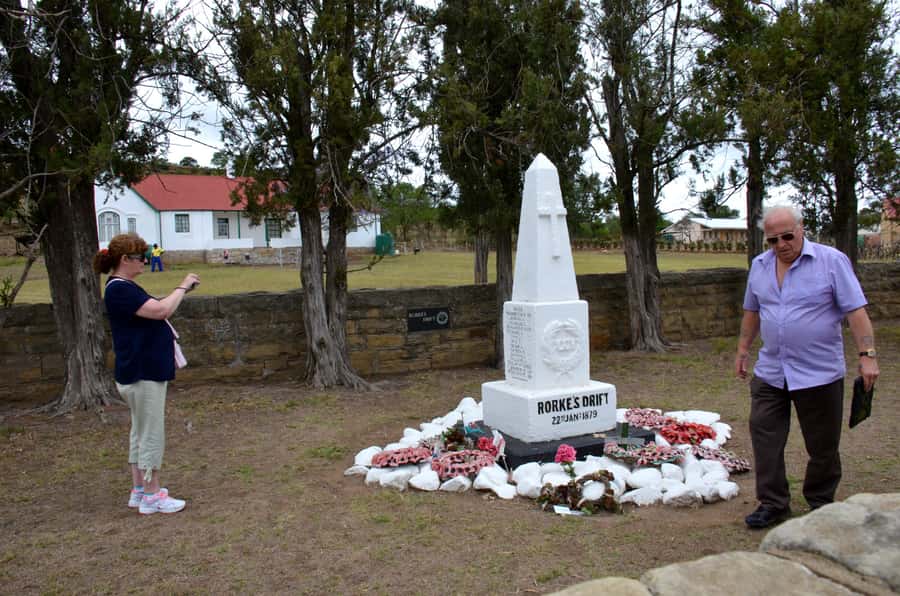
Book it if you want a serious, guided look at two major Anglo-Zulu War sites and you are prepared for a long road day. The combination of Isandlwana, Rorke’s Drift, Fugitives Drift, and the Queen’s Colours memorial gives you a fuller account than visiting just one location.
The best reason to choose it is the guide. Strong explanations from Thami, Bafana, Aaron, or another well-prepared guide can turn a remote battlefield into a clear human story. The main caution is the 14-hour duration, plus the unclear wording about the Isandlwana entrance fee.
Before booking, confirm the guide language, pickup point, final entry costs, and lunch plan. If those details suit you, this is a worthwhile choice for history-minded visitors who want to see the ground for themselves rather than study the war only from a book.
FAQ
How long does the tour last?
The tour lasts 14 hours, including transport from Durban and the return journey.
Where does pickup take place?
Pickup is possible from hotels and accommodation within a 5 kilometre radius of the local supplier’s office at the Gooderson Tropicana Hotel, 85 O R Tambo Parade, South Beach, Durban.
Can I be picked up from the harbour?
Yes. Pickup is also available from the harbour passenger terminal.
Which sites are visited?
The route includes the Isandlwana battlefield and museum, Rorke’s Drift, Fugitives Drift, and the Queen’s Colours memorial.
Is lunch included?
No. Lunch and drinks are not included in the tour price.
Is the Isandlwana entrance fee included?
The information provided is inconsistent. It says all entry fees are included, but also says the Isandlwana fee is not included. Confirm the current arrangement with the local operator before booking.
Which languages are available?
Live guiding is offered in English, Greek, Portuguese, and French. German and Polish can be requested.
Can I request a qualified historian?
Yes. A qualified historian can be requested for an additional fee. A specialised guide is also listed as an extra-cost option.
Is the tour wheelchair accessible?
The tour is listed as wheelchair accessible. You must inform the local partner before the tour begins.
Can I cancel for a refund?
You can cancel up to 24 hours in advance for a full refund. You can also reserve now and pay later.
Just listed around Durban
- Zulu Cultural Experience: Zulu Village + Tribal Markets + Traditional Zulu Food★ 5.0 · 5 reviews
- Durban Shore Excursion: Valley of 1000 Hills and PheZulu Tour★ 5.0 · 5 reviews
- From Durban: Wildlife Lovers Big 5 Safari at 2 Game Reserves★ 5.0 · 5 reviews
- Sani Pass and Lesotho Full Day 4 x 4 Tour From Durban★ 4.5 · 5 reviews
- Full Day Isimangaliso Wetlands Park -Croc & Hippo &Game Fr Durban★ 4.5 · 6 reviews
- Sani Pass 4 x 4 Tour and Lesotho Full Day Tour From Durban★ 5.0 · 6 reviews
- Hluhluwe Safari & Emdoneni Wild Cat Project Day Tour from Durban★ 5.0 · 6 reviews
- Drakensberg Kamberg Cave Art & Mandela Capture Site Day Tour★ 4.1 · 6 reviews
Durban Tours, compared.
Durban Point Waterfront: Luxury Canal Boat Cruise
Read our review →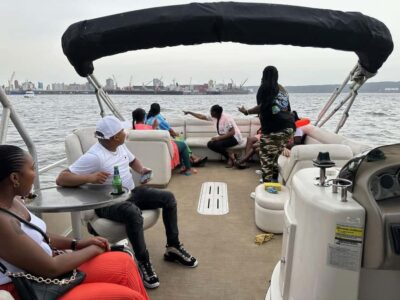
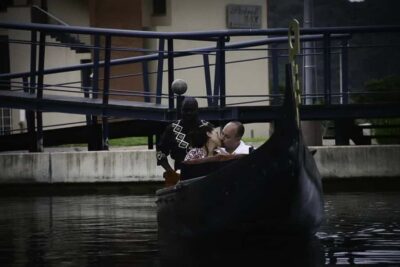


Luxury Canal Boat Cruise – Fun Things Durban Ushaka
Read our review →
Browse the lists this tour appears in