
Reviewed · KRUGER NATIONAL PARK SAFARIS
Kruger National Park Afternoon Safari
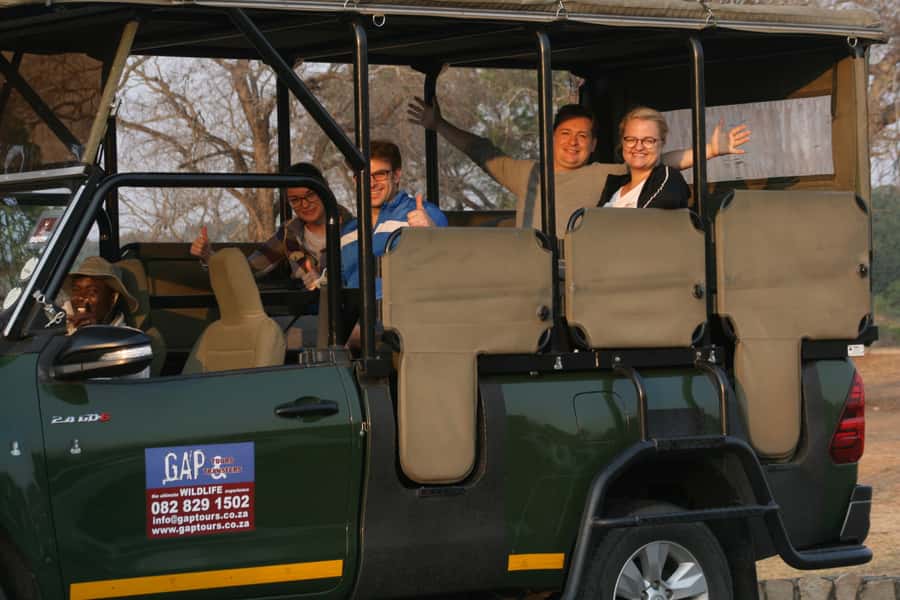
The best part of this Kruger afternoon safari is the chance to experience the park during the warm, lively part of the day, when cicadas buzz, fish eagles call, and the bush smells of dust and sun-warmed grass. You’ll explore from an open safari vehicle or choose an air-conditioned ride if comfort matters more than a full outdoor feel.
I like the hotel pickup from Hazyview and the guides’ strong eye for wildlife, especially birds and smaller animals that are easy to miss. I also like that guides such as Vusi and Edward are praised for clear explanations, good humor, punctuality, and allowing time for photographs. The main drawback is simple: five hours is a short visit for such a huge park, and you may cover only one road in and out.
Key points at a glance
- Afternoon access to Kruger: A useful option if you cannot spare a full day or prefer a later start.
- Two vehicle choices: Pick an open safari vehicle for fresh air and close bush sounds, or an air-conditioned vehicle for relief from the heat.
- Experienced field guides: Guides such as Vusi and Edward may point out mammals, birds, trees, tracks, and bush behavior.
- Good wildlife potential: Sightings have included elephants, giraffes, zebras, hippos, impalas, hyenas, buffalo, and many birds.
- Hazyview pickup included: Hotel and camping-area pickup in Hazyview is part of the arrangement.
- Extra park fee required: The $100 price per person does not include Kruger’s conservation fee.
Why a five-hour afternoon in Kruger can work
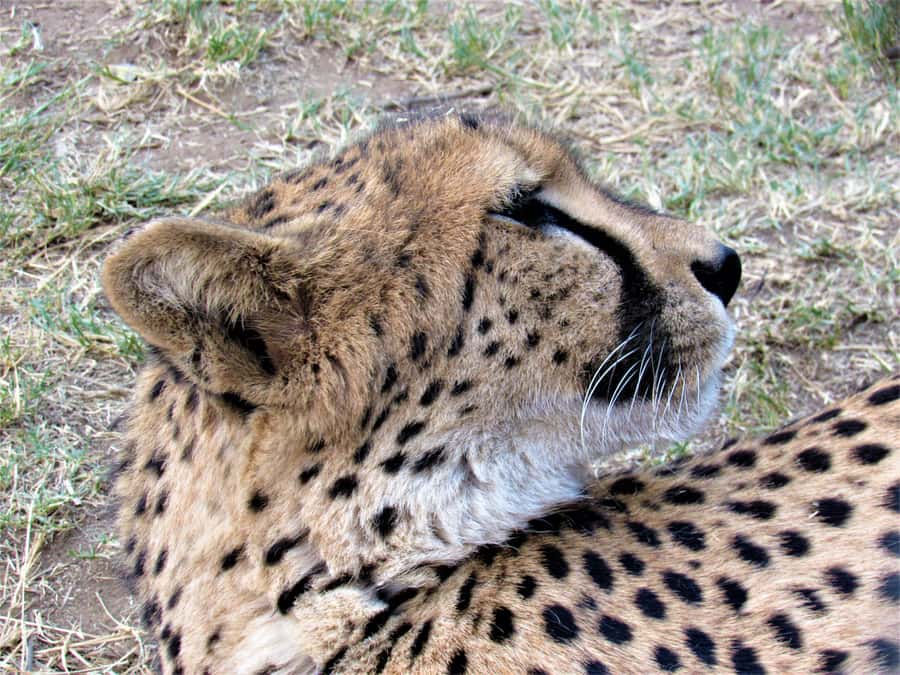
Kruger National Park covers about two million hectares, with 147 mammal species, more than 500 bird species, and 336 tree species. That scale is both the thrill and the problem. You have a real chance of seeing several animals, but no honest safari can promise the Big Five in one short outing.
This tour suits you if your schedule is tight, you are staying in Hazyview, or you want a first taste of Kruger before committing to a longer safari. It is also useful for families and older visitors who may not want to spend a full day on park roads.
I like the afternoon timing because it leaves your morning free. You can take a slower start, visit another local attraction, or simply rest before heading out. The tradeoff is that the available drive time inside Kruger is limited, especially once pickup, park entry, and the return journey are counted.
One practical example gives you a clear idea of the pace. A reported schedule involved pickup around 1 p.m., entering the park at about 2 p.m., and leaving around 5:20 p.m. Exact times depend on availability, but you should expect the park portion to be shorter than the full five-hour booking window.
More Safaris in Kruger
- Kruger National Park Full Day Private safari
★ 5.0 · 799 reviews - Kruger National Park – Private full day Safari trip.
★ 5.0 · 347 reviews - From Hazyview: Kruger National Park Full-Day Safari
★ 4.8 · 205 reviews
Pickup in Hazyview and the road to the park
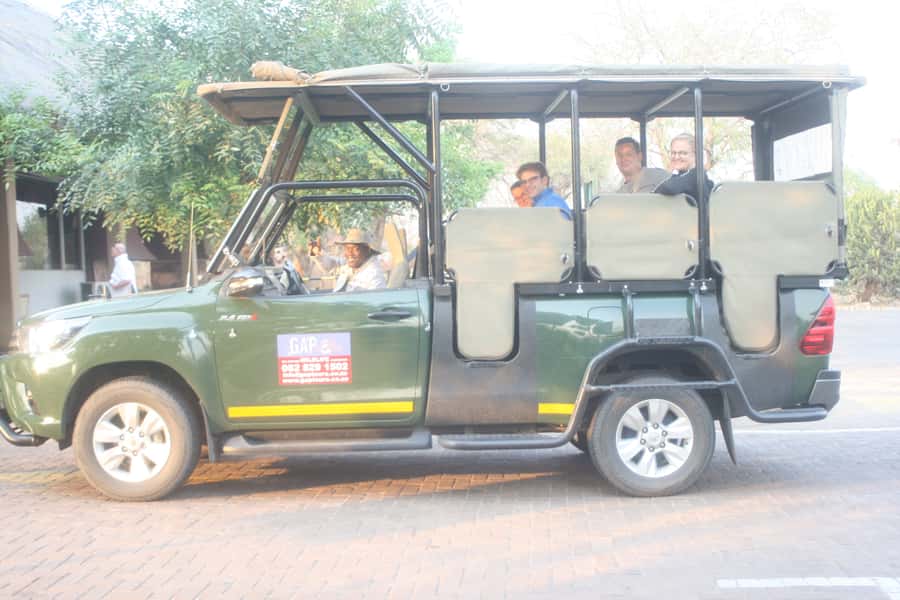
Your transfer begins with pickup at a hotel in Hazyview. Camping-area pickup has also been available, which is handy if you are not staying at a traditional hotel. Bottled water is included, but meals are not, so eat before departure or make your own food plans.
The transfer matters more than it may seem. A reliable pickup lets you focus on the safari rather than arranging a separate taxi or rental car. Several accounts specifically praise punctual pickup, including one early arrival of about 15 minutes and another pickup described as convenient from a campsite.
You should confirm the final pickup time directly with GAP Tours & Transfers if you have not received confirmation from the operator itself. A booking-platform confirmation alone may not be enough. That small check can prevent a needless wait at your accommodation.
The road into Kruger is not the attraction itself, but it marks a useful change of pace. Once you enter the park, the guide takes over the driving and the searching. Keep your eyes moving. Animals may be beside the road rather than directly ahead, and birds can appear in the treetops or on distant branches.
Open safari vehicle or air conditioning?
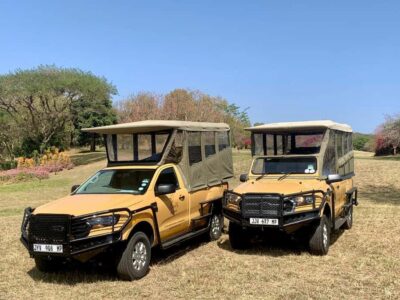
The open safari vehicle offers the classic bush experience. You can feel the heat, smell the dry grass, hear insects, and listen for bird calls without glass between you and the surroundings. It also gives you a broader sense of the area around the road.
That sensory connection is a major reason to choose it. A fish eagle’s cry or the sudden sound of movement in the grass feels more immediate outdoors. For photography, an open vehicle can also make it easier to shoot without window reflections, though the tour information does not promise a particular vehicle design or seating position.
The closed, air-conditioned vehicle is the sensible choice in very hot weather. It can be more comfortable for older people and families with young children, especially during the warm afternoon hours. You lose some of the open-air atmosphere, but you gain protection from heat and a more controlled ride.
I would choose the open vehicle on a tolerable day and the air-conditioned option when heat is likely to wear me down. A five-hour outing is not long by safari standards, but sitting in the sun can still become tiring. Ask about the vehicle available when booking, since the two options may not always operate in the same way.
What the guide adds to the drive
A safari guide does more than steer along the road. The guide helps you understand why an animal is there, what a bird is doing, and how to read the bush when nothing obvious appears. The strongest part of this tour is the quality of that interpretation.
Guides named in feedback include Vusi and Edward. Vusi is noted for broad knowledge of animals and birds, while Edward is described as friendly, punctual, and very familiar with the park. Another guide is praised for humor, careful explanations, and taking time when animals appeared.
That attention matters. A quick sighting of an impala becomes more interesting when you understand how it behaves, and a small bird can become a highlight when someone helps you identify it. The guide’s ability to spot movement may also be more valuable than simply driving farther.
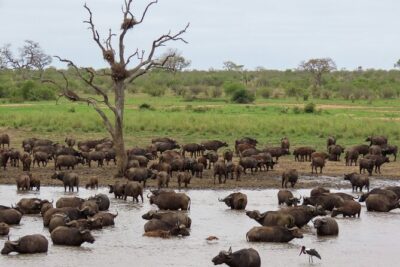
You should also expect the guide to adjust the pace when a good sighting appears. One particularly successful outing included two small hyenas sleeping in a roadside ditch and a buffalo herd estimated by the guide at about 500 animals crossing the road. Those moments cannot be scheduled, but a patient guide gives you a better chance to enjoy them.
More Kruger safaris:
- Kruger National Park sunrise Morning Private safari
★ 5.0 · 185 reviews - Kruger National Park: Full-Day Private Safari With Pickup
★ 4.9 · 122 reviews - Kruger National Park – Private Sunrise Half day Safari trip.
★ 5.0 · 97 reviews - Kruger National Park Full-Day Safari
★ 4.8 · 71 reviews
A short route with real wildlife potential
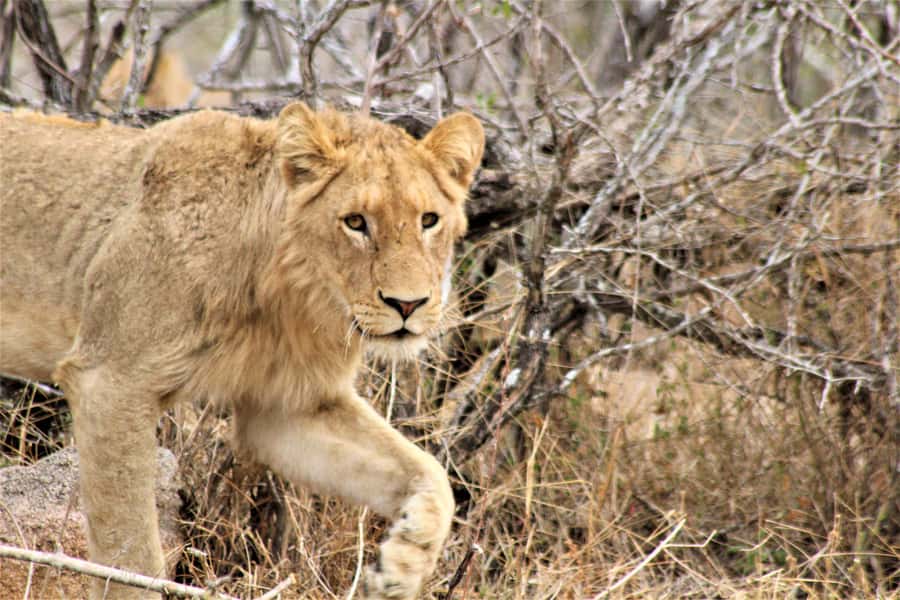
The central weakness is the limited time inside Kruger. One five-hour outing involved driving one road down and back, leaving little room for exploring a wider section of the park. If your main goal is to see as many habitats and species as possible, a full-day safari will give you a better chance.
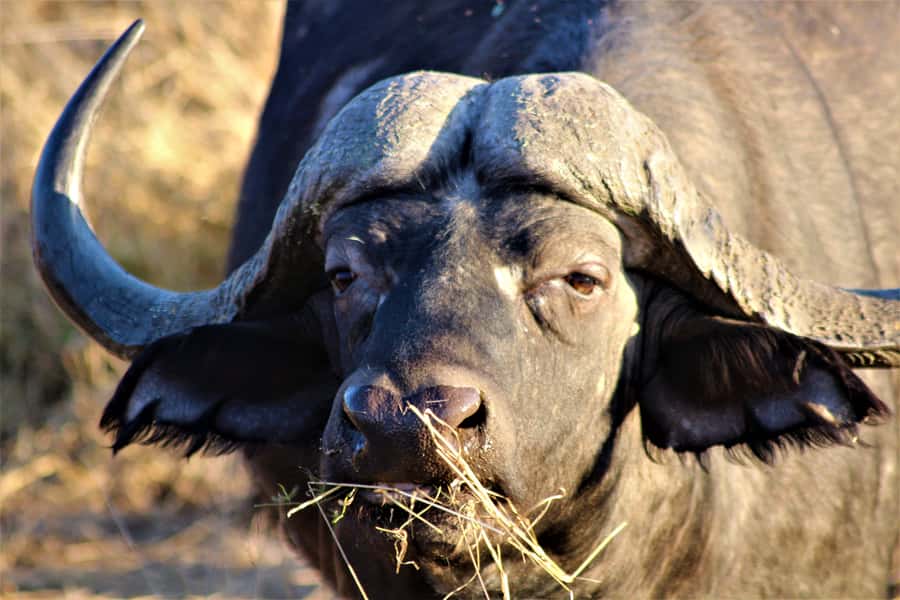
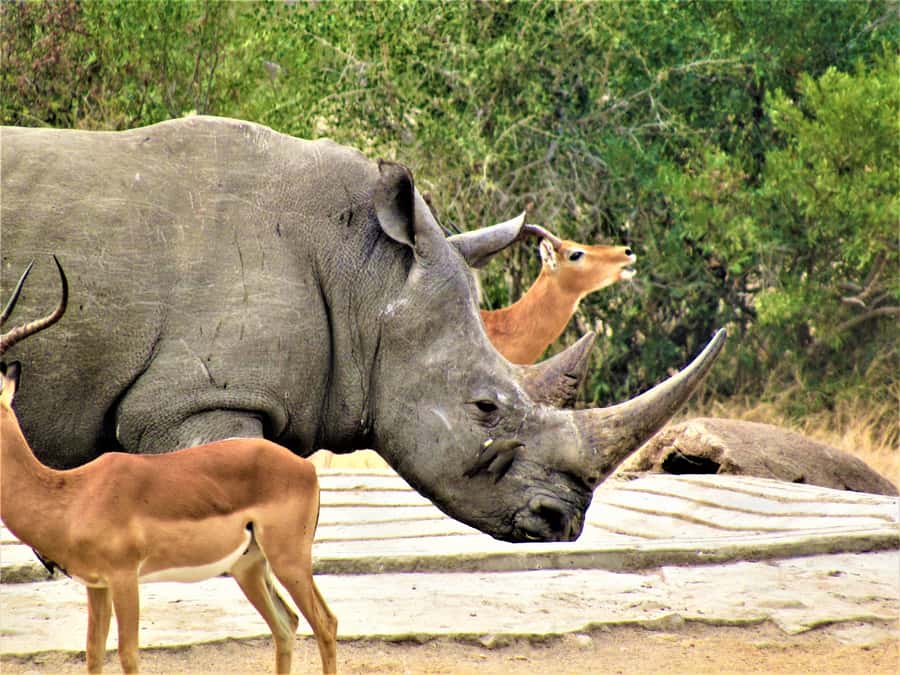
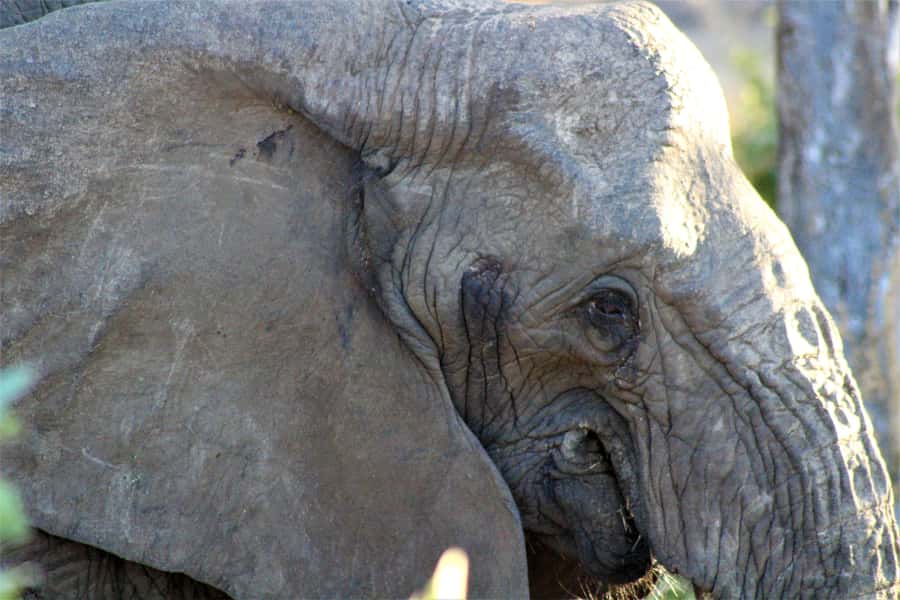
Still, a short route can produce excellent sightings. Documented encounters have included elephants, giraffes, zebras, hippos, impalas, hyenas, buffalo, pumbas, and a range of birds and smaller animals. You may also see animals that never appear on a standard checklist, such as a single striking bird or a herd behaving in an unusual way.
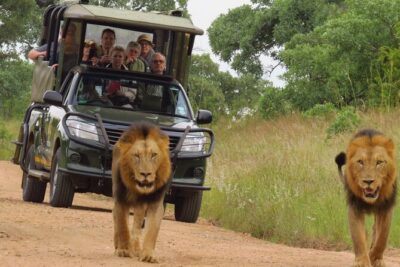
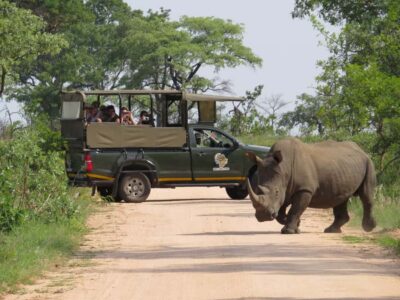
The Big Five possibility is a useful lure, but keep your expectations sensible. The Big Five are lion, leopard, elephant, rhino, and buffalo. Elephants and buffalo are realistic possibilities, while lion, leopard, and rhino are never guaranteed, particularly on a short afternoon drive.
One outing saw elephants, giraffes, and several antelope species but missed lion and rhino. Another saw many animals but not all five. That is normal safari luck, not a failure of the tour. You are entering a living park, not a wildlife enclosure arranged for a checklist.
The best attitude is to treat the Big Five as a bonus. If you see them all, you have had an extraordinary day. If you see a large buffalo herd, close giraffe photography, sleeping hyenas, and a range of birds, the outing may still feel very worthwhile.
Birds, trees, and the smaller signs of the bush
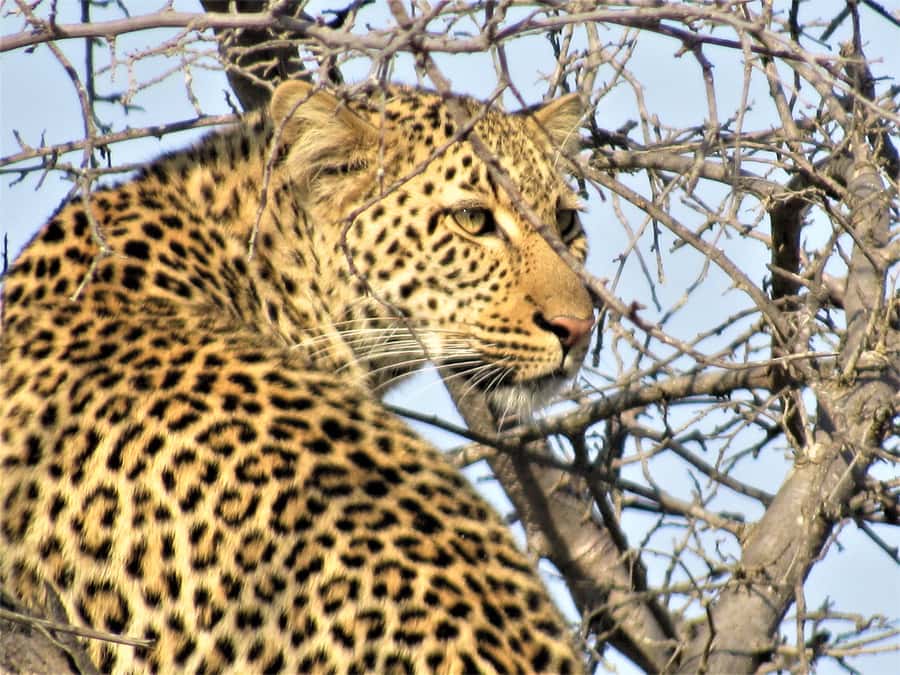
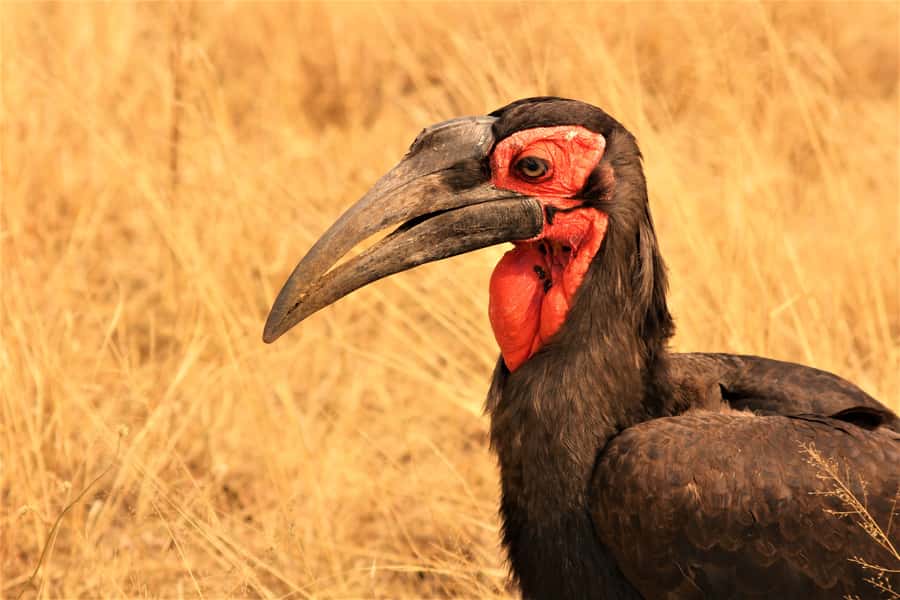
Kruger is not only about large mammals. With more than 500 bird species and 336 tree species, it rewards visitors who slow down enough to notice detail. The guide can help you shift between scanning the road for animals and looking upward or into the brush.
Fish eagles are among the memorable sounds mentioned in the experience description. You may also spot smaller birds and animals that would pass unnoticed without a trained eye. An experienced guide can make the quiet parts of the drive useful instead of treating them as empty time.
This is where a short tour can still feel substantial. You might not cover a great distance, but you can learn how the bush works. The smell of the grass, the sound of cicadas, and the changing light all form part of the safari, not just background scenery.
If you enjoy photography, bring patience more than equipment. Giraffes, elephants, and antelope have provided strong photo opportunities, but animals do not pose on command. A guide who stays with a sighting and explains what is happening gives you time to frame the shot rather than rushing past.
Human history beside the wildlife
Kruger protects more than plants and animals. Bushman rock paintings and archaeological sites are also conserved inside the park. If time allows, the guide may include at least one site during the outing.
That possibility adds an important layer to the trip. The park is not an untouched wilderness without human history. People have lived in and used this region for a very long time, and the remaining paintings and archaeological traces help place the wildlife experience in a wider setting.
Because this is a short safari, you should treat a cultural or archaeological stop as a bonus rather than a guaranteed centerpiece. The guide must balance park access, driving time, animal sightings, and the return schedule. If wildlife activity is strong, the route may naturally focus on animals.
Is $100 a fair price?
The listed price is $100 per person, with bottled water and Hazyview hotel pickup and drop-off included. You are paying for transport, a guide, park access arrangements, and the chance to enter one of the world’s major game reserves without organizing the whole outing yourself.
The value depends on your expectations. For a half-day introduction, the price can make sense, especially if you are already based in Hazyview and want a simple door-to-door option. The guide’s experience is a meaningful part of the cost, since spotting and identifying wildlife is much harder when you drive yourself.
However, the price does not include the Kruger entrance fee. The listed conservation fees are R64 per child under 12 for South African citizens and residents, R128 for SADC children, and R267 for international children. Adult fees are R128 for South African citizens and residents, R257 for SADC nationals, and R535 for international visitors.
These charges are separate from the $100 tour price, so calculate the full cost before booking. For international visitors, the adult conservation fee is the figure to watch most closely. Fees can change, so confirm the amount at the time you reserve.
Meals are also excluded. Since the outing takes place in the afternoon, eat before pickup and carry any snacks you need, while remembering that bottled water is supplied.
Who should book this afternoon safari?
I would recommend it to you if you are staying in Hazyview, have only one free afternoon, and want a guided introduction to Kruger. It is a good fit for someone who values hotel pickup, wildlife interpretation, and a manageable time commitment.
Families may prefer the closed air-conditioned vehicle, particularly in hot weather. Older people may also find the shorter outing easier than a full-day drive. Ask about the vehicle choice before you finalize the reservation.
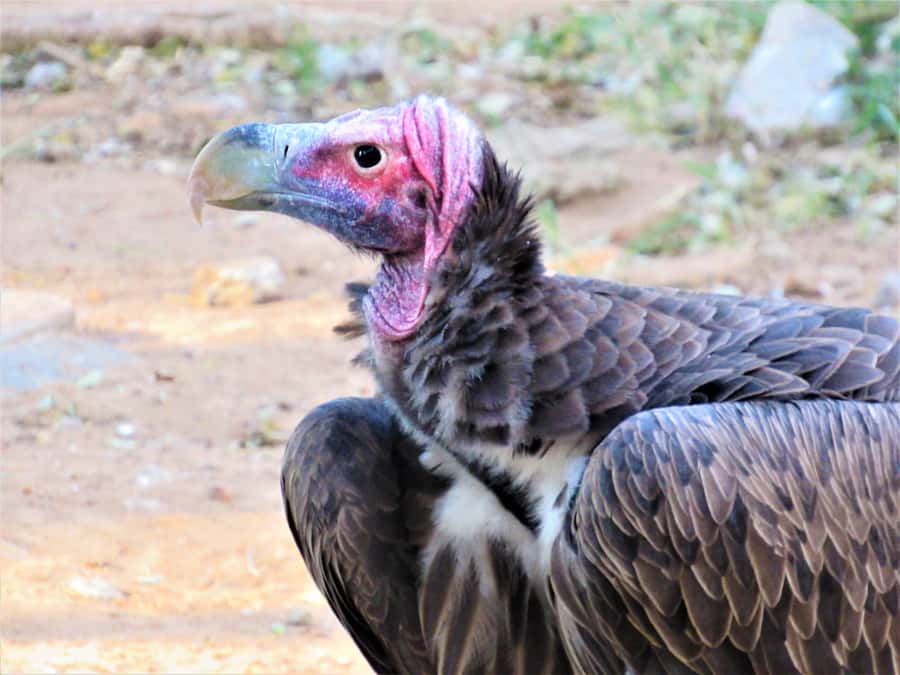
Birdwatchers and first-time safari visitors should appreciate the guides’ focus on both birds and mammals. The tour is not limited to chasing large animals. You may learn about trees, sounds, tracks, and the park’s human past as well.
I would hesitate if your main aim is a broad Kruger survey or a strong chance of seeing all five famous animals. Five hours can produce excellent sightings, but it cannot give you the same range as a longer safari. If you can add a full-day option, that is the better choice for maximum time and distance.
The tour has a 4.7 rating from 28 reviews, and the strongest praise centers on guide quality, punctual pickup, humor, patient stops, and varied sightings. One critical point is worth taking seriously: the short duration can feel expensive if your vehicle spends most of the park time on a single route.
Should you book it?
Book this tour if convenience and a compact Kruger visit matter most. You will receive Hazyview pickup, a five-hour outing, bottled water, and a guide who can help you find meaning in both major sightings and small details.
Choose the air-conditioned vehicle for comfort in the heat, and the open vehicle for a stronger connection with the sounds and smells of the bush. Go in hoping for wildlife rather than demanding a Big Five checklist.
If you have limited time, this is a sensible way to get into Kruger. If you have a full day available and want to cover more ground, spend the extra time on a longer safari instead.
FAQ
How long is the Kruger afternoon safari?
The activity lasts five hours. The exact starting time depends on availability.
Where does pickup take place?
Pickup and drop-off are included from any hotel in Hazyview. Pickup from a camping area has also been available.
Is the Kruger entrance fee included?
No. The conservation fee is charged separately from the $100 tour price.
How much is the conservation fee?
For children under 12, the listed fees are R64 for South African citizens and residents, R128 for SADC nationals, and R267 for international visitors. Adult fees are R128 for South African citizens and residents, R257 for SADC nationals, and R535 for international visitors.
Are meals included?
No. Meals are excluded, but bottled water is included.
Can I choose an open or closed vehicle?
A safari is offered in an open safari vehicle, and a closed, air-conditioned vehicle is also available. The air-conditioned option may suit older people, families with young children, or anyone concerned about hot weather.
What language is the safari conducted in?
The live tour guide and additional tour information are provided in English.
More national park days in Hazyview
- Kruger National Park Full Day Tour Minimum 2people
★ 4.5 · 58 reviews - Kruger National Park Morning Safari
★ 4.8 · 21 reviews - From Malelane: Kruger National Park Full-Day Safari
★ 5.0 · 21 reviews - Full-Day Kruger National Park Safari
★ 4.5 · 20 reviews
More Safaris in Hazyview
- Kruger National Park Full-Day Safari from Hazyview
★ 5.0 · 70 reviews - Kruger National Park Afternoon Private safari
★ 5.0 · 67 reviews - Private Full Day Safari l Kruger National Park from Hazyview or Skukuza
★ 5.0 · 46 reviews - From Hazyview: Kruger National Park Morning Half-Day Safari
★ 4.7 · 35 reviews
Just listed around Hazyview
- From Hazy View: Full Day Kruger National Park Safari★ 4.5 · 5 reviews
- Afternoon Kruger National Park Safari★ 5.0 · 5 reviews
- Half Day Panorama Guided Tour★ 5.0 · 5 reviews
- Sabie Game Reserve: Sunset Safari with Sundowners★ 4.7 · 6 reviews
- 4-Day Unforgettable Kruger Park Safari & Panorama Route Tour★ 5.0 · 6 reviews
- From Hazyview: Panorama Tour Highlights★ 4.3 · 7 reviews
- Full-Day Panorama Tour from Hazyview★ 5.0 · 7 reviews
- Cruise on Blyde Dam & Moholoholo Rehab Centre Day Tour from Hazyview★ 5.0 · 7 reviews
Kruger National Park Safaris, compared.
Kruger National Park sunrise Morning Private safari
Read our review →
Marloth Park: Kruger National Park Safari Game Drives
Read our review →Browse the lists this tour appears in